Styx: Blades of Greed review – a sneaky feast for stealth lovers
Stealth games occupy a unique space in modern gaming. While many titles incorporate stealth mechanics, only a handful fully commit to the shadows. That’s precisely where Styx: Blades of Greed distinguishes itself. In this Styx: Blades of Greed review, we explore how the latest instalment in Cyanide Studio’s goblin-led franchise delivers a focused and deeply rewarding stealth experience.
Rather than offering a traditional power fantasy, the game embraces vulnerability. Players must think carefully, move deliberately, and strike only when the moment is right. Consequently, every mission becomes a tactical puzzle rather than a combat showcase.
For stealth enthusiasts, that design philosophy feels refreshing.
A Pure Stealth Identity
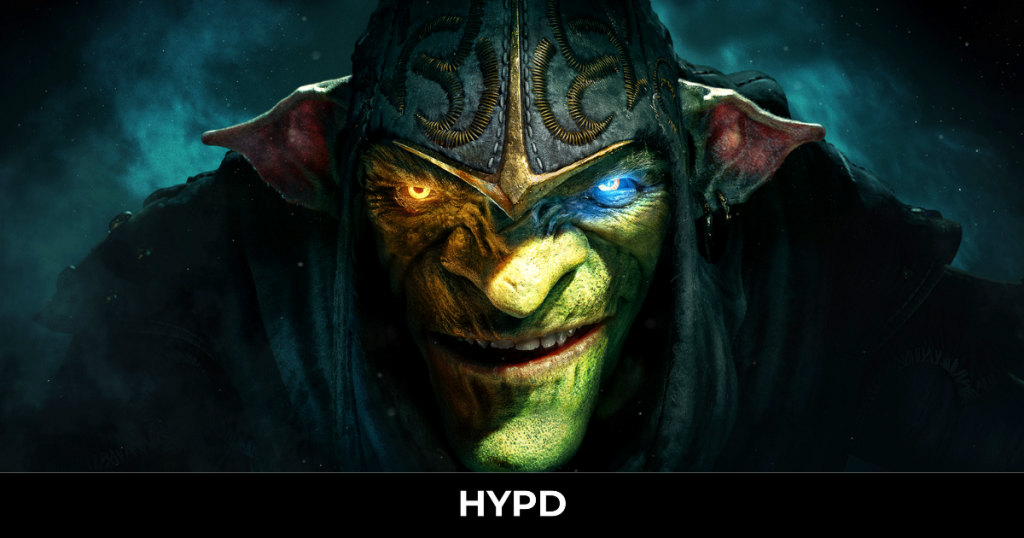
From the opening moments, the game establishes its direction. You are not a battlefield hero. Nor are you a brute force warrior. Instead, you play as Styx — a cunning goblin who survives through intellect and agility.
Direct combat exists, but it is heavily discouraged. Enemies hit hard and overwhelm quickly. Therefore, confrontation rarely ends well.
Because of this, stealth becomes essential rather than optional. Players must observe patrol patterns, manipulate lighting, and exploit environmental cover. Gradually, tension builds through anticipation rather than action.
Importantly, this commitment gives the game a clear identity. Many modern stealth titles dilute their mechanics with aggressive combat systems. Styx: Blades of Greed, however, remains disciplined in its approach.
As a result, immersion strengthens.
Level Design That Rewards Creativity
Level design represents one of the strongest elements in this Styx: Blades of Greed review. Environments are broader, taller, and far more layered than before.
Verticality plays a crucial role throughout missions. Rooftops, suspended walkways, and towering structures open alternative infiltration routes. Consequently, players are encouraged to think three-dimensionally.
Rather than funnelling you through narrow corridors, the game provides infiltration playgrounds. Multiple routes lead to objectives. Some paths prioritise speed. Others favour caution.
Moreover, exploration feels meaningful. Hidden corners often contain resources or shortcuts. Later abilities even allow access to previously unreachable areas.
Because of this design, replayability increases naturally.
Traversal Tools and Movement Freedom
Movement mechanics see significant upgrades. Styx feels nimble, fluid, and responsive at all times.
New traversal tools enhance infiltration dramatically. Grappling devices enable rapid ascents. Gliding mechanics allow silent aerial positioning. Climbing claws provide access to vertical surfaces.
Together, these systems transform how players approach environments.
Instead of moving purely at ground level, you operate across multiple elevations. Consequently, planning becomes more strategic. High vantage points provide surveillance advantages. Elevated routes reduce detection risks.
Equally important, mobility supports recovery. If stealth fails, repositioning remains possible.
That flexibility reduces frustration without lowering difficulty.
Quartz Powers and Ability Progression
Beyond physical tools, magical abilities expand Styx’s tactical options. Quartz, a rare in-world resource, fuels these supernatural powers.
Through progression systems, players unlock various enhancements. These include temporary invisibility, enemy manipulation, and time-altering effects.
Importantly, abilities complement stealth rather than replace it. Overreliance still leads to failure. Therefore, careful resource management remains essential.
Customisation also adds depth. Some players may prioritise control-based skills. Others may enhance traversal or evasion.
As a result, playstyles feel personalised.
Enemy AI: Tension with Minor Flaws
Enemy behaviour plays a vital role in stealth design. Fortunately, Styx: Blades of Greed delivers mostly competent AI systems.
Guards patrol logically. They react to noise. They investigate disturbances. Suspicion escalates gradually.
However, inconsistencies occasionally emerge.
At times, enemies overlook obvious movement. Conversely, detection may sometimes feel overly aggressive. These irregularities can momentarily disrupt immersion.
Despite this, tension generally remains strong. Close encounters feel thrilling. Narrow escapes feel earned.
When systems align properly, stealth satisfaction peaks.
Storytelling and Character Tone
Narratively, the game adopts a lighter approach. Story exists primarily to support gameplay progression rather than dominate it.
Styx himself remains the narrative centrepiece. His sarcastic commentary injects humour into otherwise tense scenarios. Crude jokes and irreverent observations add personality.
Meanwhile, supporting characters provide context without overshadowing missions.
Newcomers may find the lore slightly dense. However, prior knowledge is not essential. The overarching plot remains accessible enough to follow.
Ultimately, storytelling complements rather than distracts.
Visual Design and Atmosphere
From a visual standpoint, the game excels in atmosphere. Environmental artistry stands out more than raw graphical fidelity.
Lighting plays a functional role. Shadows feel protective. Illuminated zones feel dangerous.
Because stealth depends on visibility, this contrast proves essential.
Architectural design also enhances immersion. Ancient fortresses, industrial complexes, and elevated ruins create varied infiltration spaces.
That said, minor technical imperfections appear. Animation stiffness surfaces occasionally. Performance dips may occur depending on platform.
Nevertheless, art direction consistently carries the experience.
Difficulty and Learning Curve
This is not a forgiving game. Patience becomes a prerequisite.
Rushing leads to failure. Observation leads to success.
Initially, players may struggle with pacing. However, familiarity improves performance. Patrol timing becomes predictable. Escape routes become clearer.
Consequently, mastery feels rewarding.
Importantly, difficulty stems from design rather than artificial challenge. Systems remain fair. Failures feel instructional rather than punishing.
Key Strengths
Several features elevate the experience:
-
Dedicated stealth focus
-
Expansive vertical level design
-
Flexible ability systems
-
Rewarding exploration incentives
-
Distinct protagonist personality
Together, these elements create cohesion.
Notable Weaknesses
Despite its strengths, some issues persist:
-
AI detection inconsistencies
-
Occasional performance instability
-
Limited narrative depth
-
Minor animation rigidity
Even so, these flaws rarely overshadow core gameplay.
Who Should Play Styx: Blades of Greed?
Stealth purists will feel at home here. Fans of methodical infiltration titles will appreciate the design discipline.
Conversely, action-focused players may feel restricted. Combat is neither empowering nor encouraged.
Therefore, enjoyment depends heavily on genre preference.
Final Verdict – Precision Over Power
To conclude this Styx: Blades of Greed review, the game succeeds by understanding its strengths.
Rather than chasing mainstream trends, it doubles down on stealth authenticity. Consequently, its systems feel cohesive and intentional.
Level design encourages experimentation. Abilities enhance creativity. Movement systems expand tactical freedom.
Although technical imperfections exist, they rarely undermine the experience.
Ultimately, Styx: Blades of Greed delivers exactly what stealth enthusiasts crave — a deliberate, thoughtful, shadow-driven adventure where patience proves more powerful than brute force.
For fans of the genre, it truly is a sneaky feast worth savouring.