Terminator 2D: No Fate Review – A Retro Action Revival
Translating Terminator 2: Judgment Day into a great game has always been a tough ask. The film is iconic, relentless, and packed with tension. Over the years, many adaptations have tried and failed to capture that magic. Terminator 2D: No Fate, however, feels different. Instead of chasing cinematic excess, it embraces sharp 2D action and arcade sensibilities. As a result, it finally delivers an experience worthy of the licence.
So, does it live up to the hype? Overall, the answer is a confident yes.
A Focused Take on a Legendary Film
Rather than recreating the entire film scene by scene, Terminator 2D: No Fate smartly reinterprets its most memorable moments. Each level pulls from familiar events, yet reshapes them around strong gameplay ideas. Consequently, the story feels recognisable without becoming restrictive.
Importantly, the game keeps exposition light. Short narrative beats set the scene, while the action does most of the storytelling. Because of this, momentum never drops. You are always moving forward, always reacting.
In many ways, this approach mirrors classic arcade design. The story supports the action, not the other way around.
Gameplay That Prioritises Flow
At its heart, No Fate is a run-and-gun action game. Movement feels tight. Shooting feels punchy. Enemies arrive in aggressive patterns that demand quick thinking.
However, pacing is where the game truly shines. Levels build gradually, introducing new threats without overwhelming the player. Meanwhile, mission variety keeps things fresh. On-foot firefights mix with vehicle sequences and defensive encounters, ensuring the experience never feels repetitive.
Because the controls remain simple, the challenge comes from execution rather than complexity. You jump, shoot, dodge, and adapt. That clarity makes every success feel earned.
A Fair but Demanding Difficulty Curve
Retro-inspired games often lean too heavily into punishment. Thankfully, Terminator 2D: No Fate strikes a healthier balance. The difficulty is firm, yet rarely unfair.
Enemies hit hard, and bosses require pattern recognition. Still, checkpoints are placed sensibly. Enemy behaviour is readable. As a result, mistakes feel like learning moments rather than cheap setbacks.
Over time, improvement becomes noticeable. Reflexes sharpen. Routes become more efficient. Eventually, sections that once felt brutal become manageable. That sense of progression is deeply satisfying.
Boss Fights That Carry Real Weight
Boss encounters are a major highlight. Each one introduces distinct mechanics that force players to adjust their tactics. Some demand constant movement. Others test positioning and timing.
Crucially, these fights feel threatening. There is always pressure. One mistake can end a run quickly. That tension echoes the film’s atmosphere perfectly.
Unlike many licensed games, bosses here are not just visual spectacles. They are genuine skill checks that reward patience and precision.
Pixel Art with Purpose
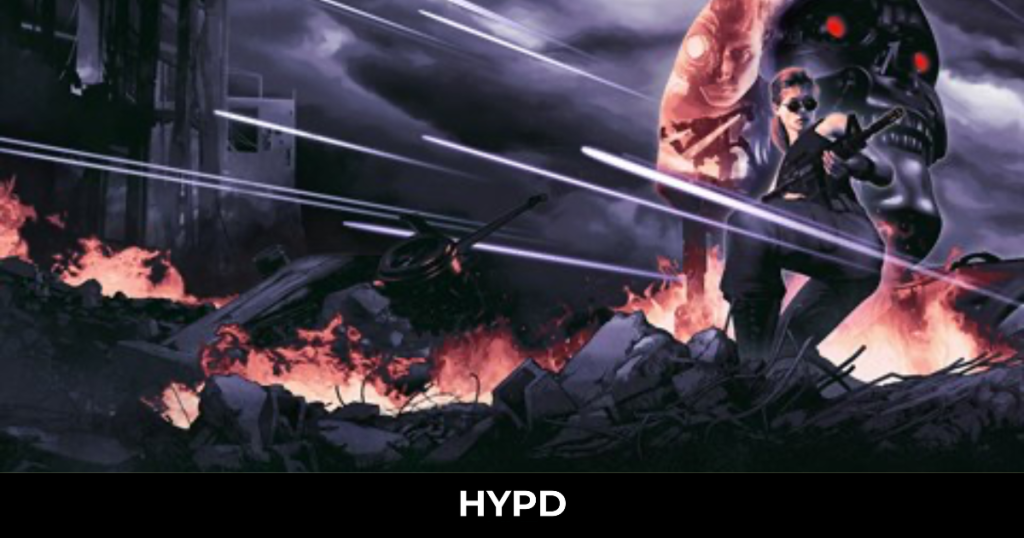
Visually, No Fate embraces pixel art with confidence. The style feels intentional rather than nostalgic for nostalgia’s sake. Strong silhouettes, smooth animations, and clear visual cues dominate the screen.
The colour palette reinforces the tone beautifully. Industrial greys and cold blues create a bleak backdrop, while fiery explosions add urgency. Consequently, every level feels steeped in Terminator’s harsh world.
Background details quietly enhance immersion. Ruined environments and mechanical imagery tell their own story without pulling focus from the action.
Sound That Drives Momentum
Sound design plays a vital role in maintaining intensity. Gunfire sounds sharp. Explosions carry weight. Enemy machines emit mechanical cues that signal danger.
Meanwhile, the soundtrack leans into synth-heavy themes inspired by the original film. However, it modernises those influences to suit fast-paced gameplay. As a result, each track fuels momentum rather than distracting from it.
Together, audio and visuals create a cohesive, high-energy experience.
Storytelling Through Play
Instead of lengthy cutscenes, Terminator 2D: No Fate relies on gameplay to convey its narrative. Short introductions frame each mission. After that, the action speaks for itself.
You feel urgency through enemy pressure. You sense desperation when resources run low. You experience triumph when a tough section finally falls. This method keeps players engaged while respecting the source material’s themes.
More importantly, it ensures the game never loses focus.
Faithful, Yet Willing to Adapt
One of the game’s biggest strengths is its flexibility. It clearly respects Terminator 2, yet it isn’t afraid to change details for better gameplay. Some scenes expand. Others compress. A few are reimagined entirely.
Despite these changes, nothing feels out of place. The tone remains consistent. The stakes stay high. Fans will recognise the world instantly, while newcomers can enjoy the experience without prior knowledge.
Polish That Makes the Difference
From a technical standpoint, the game performs smoothly. Frame rates stay consistent. Controls respond instantly. Visual clarity remains strong, even during chaotic moments.
Menus are clean. Load times are short. Bugs are minimal. That level of polish matters, especially in a precision-driven action game.
Final Verdict: A Retro Success Story
Ultimately, Terminator 2D: No Fate succeeds because it understands what it wants to be. It doesn’t chase trends. It doesn’t overstay its welcome. Instead, it delivers focused, satisfying action built on respect for its source.
For fans of classic arcade shooters, it’s an easy recommendation. For Terminator fans, it’s a rare adaptation that finally gets things right.
The mission is clear. The execution is sharp. And this time, the future looks promising.