Reanimal The Review: A Disturbing Co-Op Horror
A Dark New Chapter from Tarsier Studios
Reanimal doesn’t try to soothe you. Instead, it throws you into a broken world and dares you to escape. Built by the studio behind Little Nightmares, this game keeps the same uneasy vibe, but it pushes it into harsher, grittier territory. As a result, the fear feels more physical and less like a bad dream.
At its centre, Reanimal follows two orphaned siblings trapped on a ruined island. They don’t chase glory or loot. Rather, they fight to stay together and get out alive. That simple goal gives the story real weight, because every step forward feels earned.
Co-Op That Makes Fear Stronger
Reanimal is co-op first, and it uses that to ramp up tension. You and a partner solve puzzles, sneak past threats, and share the same fragile chances of survival. Importantly, neither character acts as the “strong” one. So, if one of you panics, both of you pay for it.
Even so, playing together doesn’t make the game cosy. In fact, it often feels worse. The game splits you up at key moments, which creates instant stress. You can hear your partner nearby, yet you can’t always reach them. Because of that, you start making fast choices under pressure, not perfect ones.
Meanwhile, the puzzles demand real teamwork. One player distracts danger while the other slips through a gap. Then you swap roles and improvise. If you communicate clearly, you feel clever. If you hesitate, you feel hunted.
Gameplay: Hiding Beats Fighting
Reanimal doesn’t reward charging in. Combat isn’t the point here, and power fantasies don’t exist. Instead, you survive by watching, waiting, and moving at the right time.
For example, you’ll study a creature’s patrol route before you cross a room. You’ll crouch in the dark and hold your breath while it passes. Then, when you finally move, you’ll move quickly. That rhythm keeps the tension high, because safety never feels guaranteed.
At the same time, the game avoids cheap tricks. Rather than spam jump scares, it builds dread through silence and timing. Consequently, you stay alert even during “quiet” moments, because you know the calm won’t last.
The Island Tells the Story
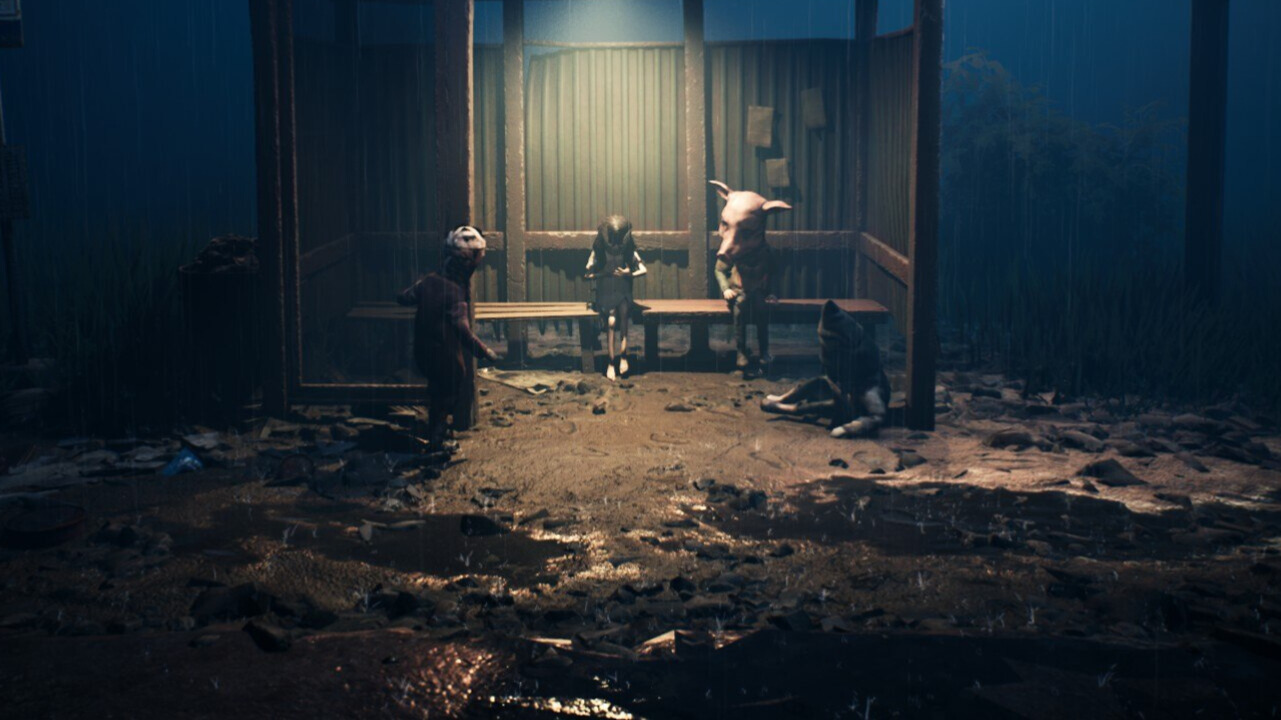
The setting does a lot of heavy lifting. Rain hammers rusty roofs. Barns lean like they might collapse. Old machines sit abandoned, as if someone ran out of time and never returned.
However, the game rarely explains anything outright. Instead, it lets the world speak. You find broken belongings, ruined homes, and signs of past suffering. Little by little, you piece together what happened. Because you do the work, the story hits harder.
Also, the island feels hostile without needing constant enemies. Open spaces make you feel exposed. Tight corridors make you feel trapped. As a result, the environment itself becomes part of the horror.
Monsters That Feel Wrong
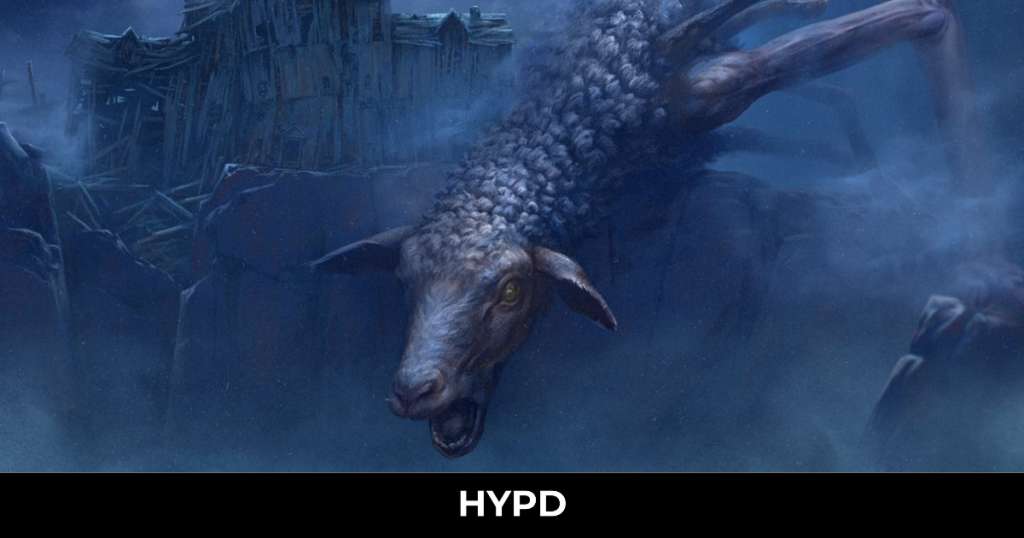
The creatures in Reanimal stand out because they look believable in the worst way. They feel like animals twisted by cruelty rather than fantasy designs built for show. Limbs bend oddly. Bodies stretch too far. Faces sit in the shadows for a second longer than you want.
Even more importantly, they move with weight. They don’t glide or bounce. They stomp, scrape, and drag. So, when one enters a room, you feel it. That physical presence makes each chase more terrifying.
Sound and Silence Do the Damage
Sound design is one of the game’s sharpest tools. Music stays quiet most of the time. Instead, you hear wind pushing through gaps in wood, water dripping in the dark, and distant noises you can’t place.
Because silence lasts so long, every sudden sound lands like a punch. A creak behind you matters. A distant shriek changes your route. Meanwhile, footsteps and breathing cues keep your nerves on edge, even when nothing is on screen.
In other words, Reanimal scares you with what you expect, not just what you see.
Visual Style That Keeps You Uneasy
Reanimal doesn’t rely on shiny realism. Instead, it leans into mood and clear detail. Mud looks thick. Rust looks sharp. Light flickers in a way that makes corners feel unsafe.
Moreover, lighting shapes how you play. Torchlight throws shifting shadows across walls. Moonlight cuts through fog and shows just enough to tempt you forward. Consequently, you never fully trust your eyes, which is exactly the point.
Themes That Stick with You
Under the horror, the game pushes themes of survival and loss. The sibling bond keeps everything grounded. You aren’t saving the world. You’re trying to protect someone you love.
At the same time, the island hints at exploitation and harm. Industrial decay suggests something bigger went wrong. Corrupted wildlife suggests the land paid the price. Still, the game doesn’t lecture. Instead, it lets you connect the dots.
That subtle approach makes the whole experience feel more real.
Final Thoughts on Reanimal
Reanimal is bleak on purpose, and it never pretends otherwise. Yet that commitment pays off. The co-op design makes fear feel shared, not diluted. The gameplay rewards patience, not bravado. The world tells a story through detail, not speeches.
Most of all, the game lingers after you switch it off. You remember the sounds. You remember the shadows. And you remember the moments where you and your partner barely made it through.
If you love slow-burn horror with strong atmosphere, Reanimal deserves your time. If you want action-first thrills, you may bounce off it. Either way, this is a bold step for the studio, and it hits hard.