Nioh 3 Review: A Soulslike Masterpiece
Team Ninja returns with Nioh 3, a sequel that aims higher than ever before. Building on the punishing foundations of its predecessors, this latest entry refines the franchise’s identity while introducing bold structural changes. As a result, long-time fans receive deeper combat systems, broader exploration, and expanded build freedom. Meanwhile, newcomers encounter one of the most polished Soulslike experiences currently available. This Nioh 3 review explores why the game is widely considered a modern action-RPG standout.
A Larger, More Ambitious World
One of the most noticeable evolutions lies in world design. Earlier Nioh titles followed mission-based structures. However, Nioh 3 shifts towards interconnected regions that encourage exploration.
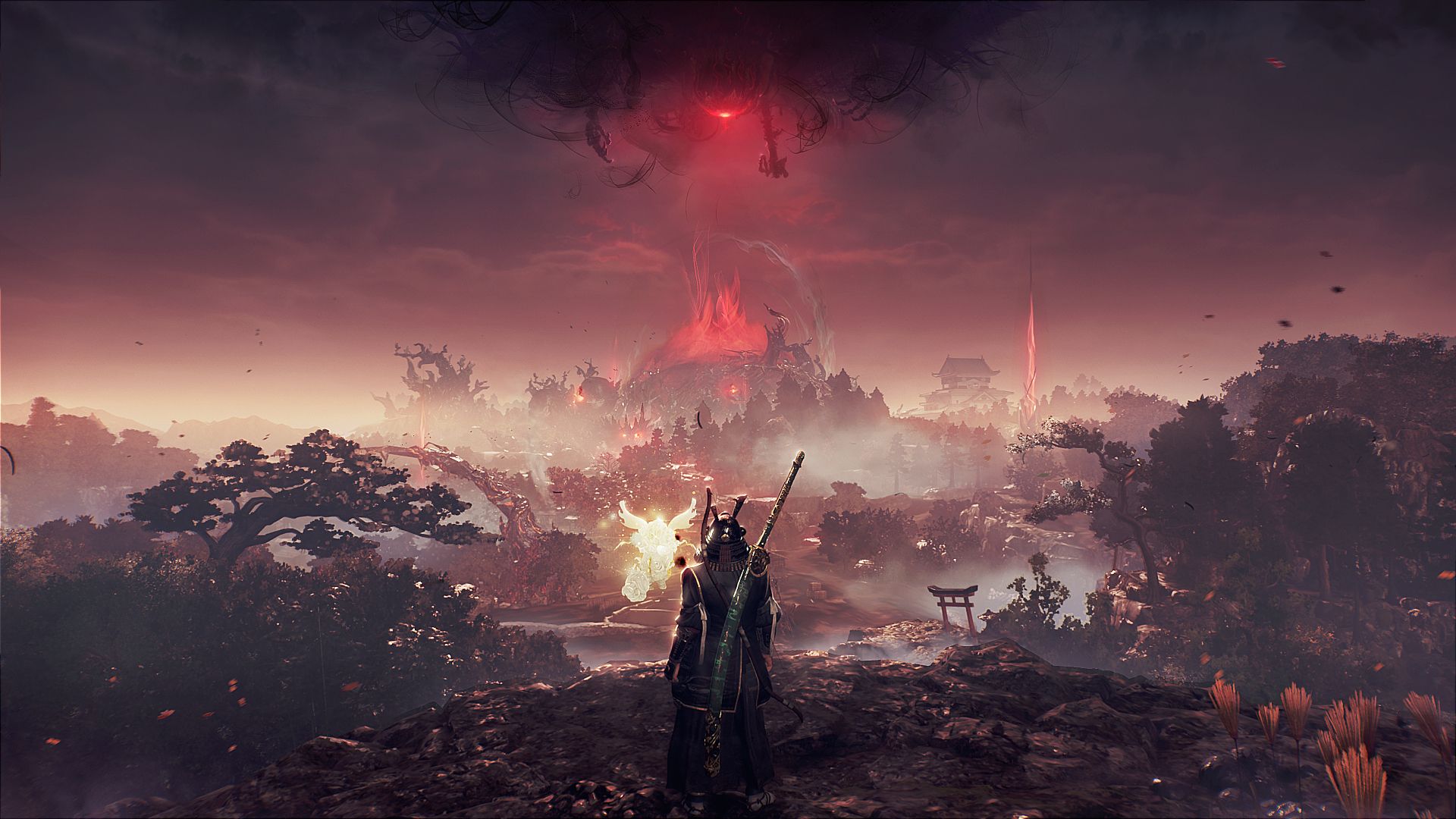
Rather than selecting isolated levels, players now travel through semi-open environments inspired by feudal Japan. War-scarred villages, cursed forests, and fortified strongholds form a cohesive landscape. Consequently, traversal feels more immersive.
Hidden shrines act as checkpoints. Secret paths unlock valuable rewards. Optional bosses guard rare loot. Therefore, exploration consistently feels meaningful rather than distracting.
Importantly, the open structure does not dilute difficulty. Danger remains constant. Venturing off the main path often increases risk. Yet the rewards justify the gamble.
Storytelling Through Atmosphere
Narratively, Nioh 3 continues blending historical events with supernatural mythology. Political tensions shape the backdrop, while yokai demons dominate the central conflict.
The story follows a war-torn Japan plagued by dark forces. Historical figures intersect with folklore creatures, creating a layered narrative tone. However, storytelling rarely interrupts gameplay momentum.
Instead, environmental details carry much of the narrative weight. Burning settlements, corrupted temples, and abandoned battlefields reveal the world’s suffering. As a result, players absorb lore organically.
While the plot may not drive the experience, it effectively supports the setting’s mood.
Combat That Defines the Genre
Combat remains the beating heart of Nioh 3. It is fast, technical, and relentlessly demanding.
Every encounter tests reflexes. Timing matters. Positioning matters more.
Ki management — the series’ stamina system — dictates survival. Exhaust it, and you become vulnerable. Master it, and combat flows like choreography.
Dual Style System
The most significant mechanical addition is the dual combat style system:
-
Samurai Style focuses on defence and measured strikes
-
Ninja Style prioritises speed and evasive aggression
Players can switch styles mid-battle. Consequently, fights become more strategic.
Heavy yokai may require samurai resilience. Agile human foes fall quicker to ninja mobility. Therefore, adaptability becomes essential.
This system adds variety without overcomplicating controls.
Weapons and Build Diversity
Customisation plays a huge role in progression. Nioh 3 offers an extensive arsenal, each weapon featuring unique movesets and skill paths.
From katanas to polearms, every choice alters combat rhythm. Moreover, skill trees allow players to unlock specialised techniques.
Loot also drives character growth. Enemies drop gear frequently. Higher rarity equipment introduces powerful perks.
Players can tailor builds around:
-
Elemental damage
-
Status effects
-
Ki recovery speed
-
Defensive resistances
As a result, experimentation feels rewarding. No single build dominates.
Respec systems further encourage flexibility. If a playstyle fails, adjustments remain accessible.
Enemy Variety and Boss Encounters
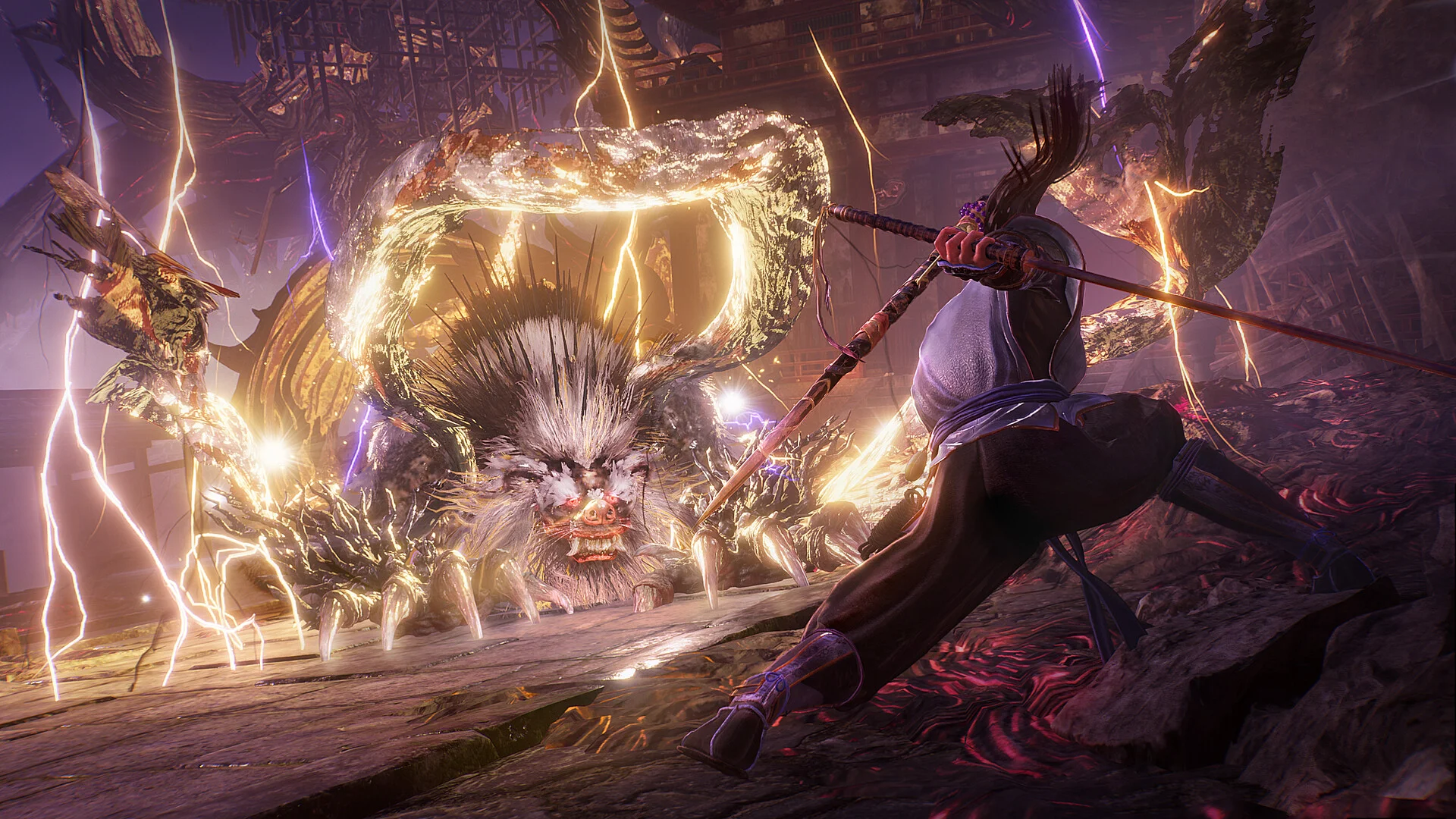
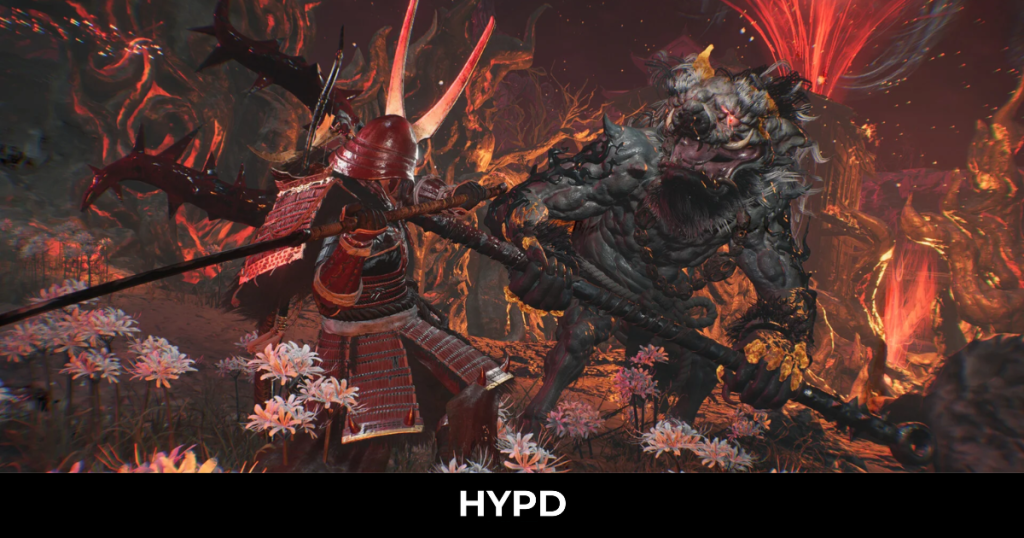
Enemy design remains a major strength. Players face grotesque yokai, corrupted soldiers, and towering mythological beasts.
Each enemy type demands different tactics. Some punish recklessness. Others overwhelm passive players.
Boss battles elevate intensity further. Multi-phase encounters introduce evolving mechanics. Attack patterns shift. Arenas transform.
Victory requires patience and pattern recognition.
While not every boss proves equally memorable, most deliver spectacle and challenge in equal measure.
Difficulty That Rewards Mastery
Nioh 3 stays true to its punishing roots. It refuses to hold players’ hands.
Early hours feel brutal. Mistakes carry heavy consequences.
However, the difficulty rarely feels unfair. Systems operate consistently. Death teaches valuable lessons.
Accessibility improvements soften the entry barrier slightly. Clearer gear comparisons and streamlined menus help players optimise builds faster.
Therefore, while the challenge remains steep, progression feels achievable.
Visual and Audio Presentation
Technically, Nioh 3 impresses across the board.
Environmental detail stands out immediately. Fog drifts across valleys. Firelight flickers against temple walls. Supernatural effects glow ominously in darkness.
Character models also show refinement. Armour textures feel intricate. Weapon animations carry weight.
Sound design enhances immersion further. Steel clashes ring sharply. Yokai roars echo hauntingly. Ambient winds fill quiet spaces.
Meanwhile, the musical score blends orchestral intensity with traditional Japanese tones. Boss themes, in particular, heighten tension dramatically.
Multiplayer and Endgame Depth
Cooperative multiplayer returns, allowing players to summon allies for difficult encounters. This system provides balance without trivialising challenge.
Beyond the main campaign, endgame content expands longevity significantly.
New Game+ modes introduce stronger enemies and superior loot tiers. Build crafting deepens further. Optimisation becomes the true late-game pursuit.
Consequently, completionists will find dozens of additional hours awaiting them.
Strengths and Minor Drawbacks
Key Strengths
-
Deep, technical combat
-
Dual combat style innovation
-
Expansive exploration design
-
Extensive build customisation
-
Strong replay value
Minor Weaknesses
-
Story pacing feels secondary
-
Some bosses lack memorability
-
System complexity may overwhelm newcomers
Even so, these drawbacks remain minor within the broader experience.
Final Thoughts
This Nioh 3 review ultimately highlights a sequel that evolves rather than imitates. Team Ninja refines its signature formula while introducing meaningful innovation.
The shift toward open exploration modernises progression. Combat improvements deepen mastery. Build diversity ensures long-term engagement.
Most importantly, the game respects player skill. It challenges relentlessly but rewards perseverance.
For Soulslike veterans, Nioh 3 represents a genre high point. For action-RPG fans, it stands as an essential experience.
In short, Nioh 3 earns its reputation as a true Soulslike masterpiece.