Gaming World News: Highlights from the Last 48 Hours
The gaming industry moves fast, but the last 48 hours have delivered a wave of headlines that genuinely matter. From an electrifying Mortal Kombat-inspired Olympic skating performance to major leadership changes at Xbox, this edition of Gaming World News: Highlights from the Last 48 Hours captures an industry in motion.
Let’s break it all down properly.
Olympic Skaters Bring Mortal Kombat to the Ice

Gaming culture continues to reach new heights, and this week it did so quite literally on Olympic ice. A pair of elite skaters delivered a performance inspired by Mortal Kombat, complete with dramatic choreography and unmistakable musical cues from the legendary fighting franchise.
The routine was not a subtle tribute. Instead, it fully embraced the intensity and theatrical energy that defines the game. Sharp, precise movements mirrored combat animations, while carefully timed lifts echoed the cinematic pacing of iconic finishing sequences.
The audience responded immediately. The performance generated excitement far beyond traditional skating circles, drawing attention from gamers across social media.
More importantly, this crossover represents something bigger. Gaming is no longer confined to consoles and esports arenas. It influences mainstream sport, entertainment and global pop culture. As esports continues to grow and gaming revenues rival those of film and music, these moments feel less surprising and more inevitable.
However, they still feel powerful.
The Olympic routine demonstrated how deeply gaming narratives and aesthetics have embedded themselves into wider cultural storytelling. It was creative, ambitious and undeniably impactful.
Gaming World News: AI Costs and the Debate Around the Next Console Generation
Artificial intelligence is transforming game development at remarkable speed. Studios now use AI-driven tools to assist with asset creation, world-building, optimisation and testing. In theory, this increases efficiency and accelerates production timelines.
However, there is a financial reality attached to this technological leap.
AI infrastructure is expensive. Advanced hardware requirements continue to climb. Data centre usage consumes vast energy resources. Cloud computing services add further operational costs. Consequently, developers and hardware manufacturers face mounting financial pressure.
This leads to a crucial question for the industry.
If AI development increases costs, would gamers accept a longer wait before the next console generation begins?
On one side of the debate, innovation drives excitement. Players want improved graphical fidelity, smoother performance and ambitious new experiences that feel truly next-generation. The appetite for progress remains strong.
On the other side, affordability cannot be ignored. A significant increase in console launch pricing would impact accessibility. Extended current-generation cycles could allow developers to maximise hardware capabilities while maintaining manageable costs.
Furthermore, longer console lifespans create stability for publishers. Larger install bases reduce risk and increase return on investment.
Yet waiting has consequences. Momentum can slow. Consumer enthusiasm can plateau. Competitive positioning between platform holders becomes more complex.
Therefore, the industry faces a delicate balancing act between technological advancement and financial sustainability. The outcome of this debate could shape gaming’s hardware landscape for years to come.
Nexon Appoints Patrick Söderlund as Executive Chairman
While technological questions dominate headlines, corporate leadership shifts are equally significant.
Nexon has appointed Patrick Söderlund as executive chairman, describing the move as a step toward leading the company’s “next phase of growth.” Söderlund brings extensive experience to the role, having previously founded Embark Studios and held senior leadership positions within the global gaming industry.
This appointment signals strategic ambition.
Nexon already maintains a strong presence within online and live-service gaming markets. However, adding experienced leadership at this level suggests plans for expansion and innovation. It may influence future intellectual property development, global partnerships and cross-platform integration.
Leadership appointments often foreshadow creative direction. They shape investment priorities and influence long-term strategy.
Although players may not immediately notice tangible changes, decisions made at boardroom level frequently ripple throughout the industry over time.
In a market defined by competition and consolidation, strong leadership remains a critical advantage.
Gaming World News: Phil Spencer Retires as Xbox Enters a New Era
Perhaps the most impactful development in Gaming World News: Highlights from the Last 48 Hours is the retirement of Phil Spencer from his leadership role at Xbox.
Spencer’s tenure marked a transformative period for the brand. He oversaw the expansion of Game Pass, strengthened Microsoft’s acquisition strategy and repositioned Xbox within the competitive console landscape.
Under his guidance, subscription gaming became central to Microsoft’s approach. Cloud gaming initiatives gained traction. Consumer perception shifted positively after earlier challenges during the Xbox One era.
Now, Microsoft’s CoreAI president steps into the leadership position.
This transition carries significant implications. It suggests that artificial intelligence and data-driven strategies may become increasingly central to Xbox’s future direction.
However, leadership changes inevitably introduce uncertainty.
Will hardware strategies evolve? Could subscription pricing shift? Might AI integration accelerate across development studios?
Industry observers and gamers alike are watching closely. The end of one era opens the door to another, and strategic pivots at this scale can reshape competitive dynamics across the entire gaming ecosystem.
Nintendo Issues Refunds for Xenoblade Chronicles X: Definitive Edition Premium Upgrade
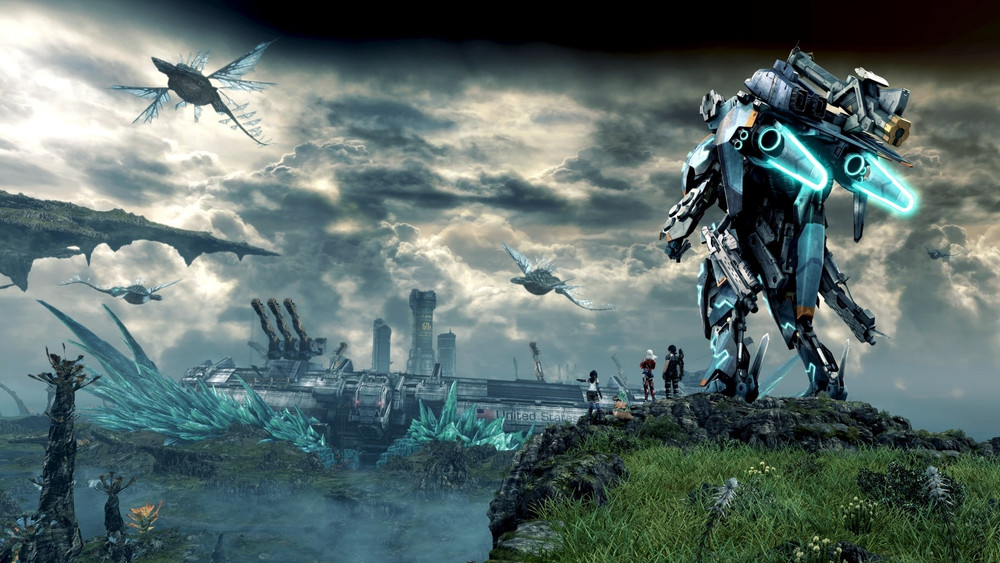
Consumer trust remains foundational within modern gaming.
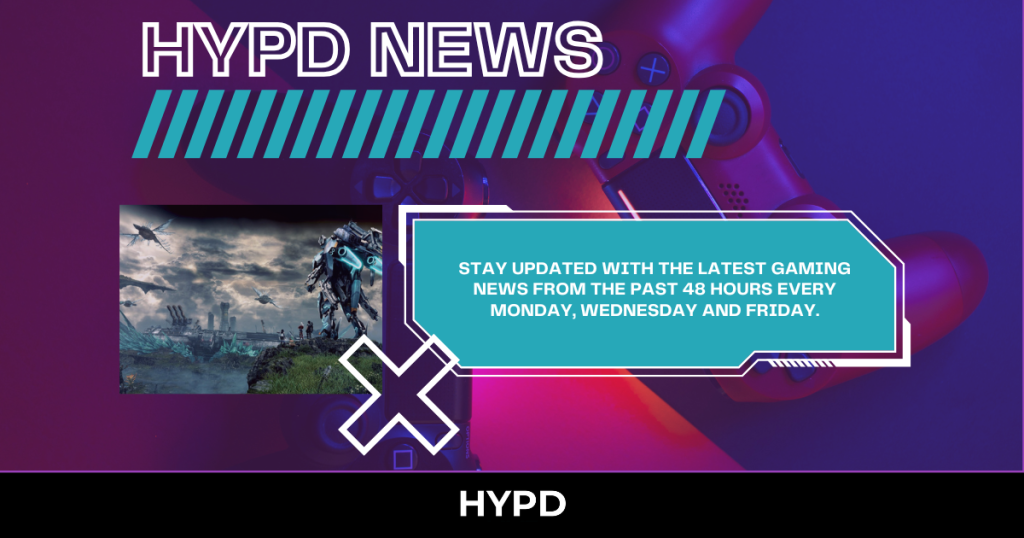
Nintendo recently began issuing refunds for the premium Switch 2 Edition upgrade of Xenoblade Chronicles X: Definitive Edition following criticism from players regarding pricing and perceived value.
The concerns gained rapid traction across online forums and social platforms. Players questioned whether the upgrade justified its cost and whether enhanced editions were delivering sufficient improvements.
In response, Nintendo issued refunds.
This decision demonstrates accountability and responsiveness. In a digital marketplace where upgrade paths and enhanced editions are increasingly common, transparency and fairness carry substantial weight.
Moreover, this situation highlights broader industry concerns regarding monetisation models. Players expect meaningful improvements when paying for next-generation upgrades. When expectations are not met, backlash follows quickly.
Nintendo’s response may ease immediate tension. Nevertheless, the broader discussion surrounding premium pricing structures and value propositions will likely continue.
Gamers are informed and vocal. Companies must adapt accordingly.
Gaming World News Final Thoughts
The last 48 hours have captured gaming at a crossroads. Culture is expanding beyond consoles, as seen in the Mortal Kombat Olympic crossover. Technology is advancing rapidly, yet AI-driven costs are forcing serious conversations about the timing and price of the next console generation. Meanwhile, leadership changes at Nexon and Xbox signal strategic shifts, and Nintendo’s refund decision reinforces the importance of player trust.
Together, these stories show an industry evolving on every front. Innovation, accountability and ambition are all shaping what comes next.