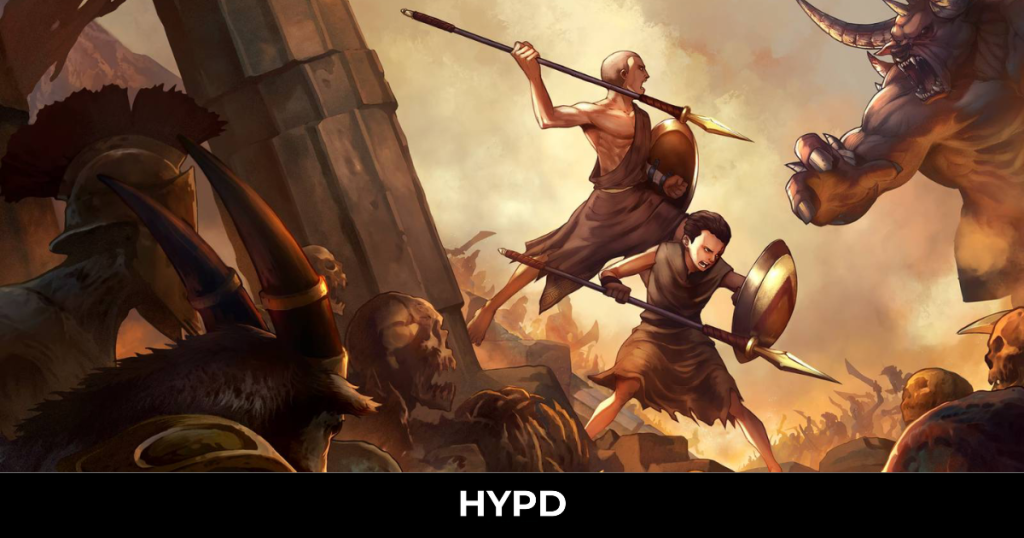
God of War Sons of Sparta Review
Kratos never truly outruns his past. No matter how far he travels or how many gods he slays, Sparta remains etched into his identity. In this God of War Sons of Sparta Review, we return to ancient Greece to examine a chapter that reignites the fury, loyalty, and tragedy that forged the Ghost of Sparta.
While recent entries such as God of War Ragnarök explored restraint and fatherhood, Sons of Sparta shifts the focus back to raw ambition and battlefield dominance. However, this is not simply a nostalgic throwback. Instead, it delivers a refined experience that strengthens the franchise’s foundations.
And crucially, it does so with confidence.
A Story Forged in War
At its heart, God of War Sons of Sparta examines identity under pressure. The narrative unfolds during Sparta’s military peak, when conquest defined honour and weakness invited ruin. As a result, the political and emotional stakes feel immediate from the opening moments.
War shapes every decision. Power dictates survival. Loyalty comes at a cost.
Rather than relying on a straightforward revenge arc, the story explores fractured alliances and divine manipulation. Fellow Spartans question authority, while the gods exert subtle influence from the shadows. Meanwhile, Kratos stands torn between duty and doubt.
Importantly, this portrayal feels layered. Rage remains central to his character; however, moments of hesitation reveal cracks in the armour. Through these quieter scenes, the game adds emotional weight that enriches the wider mythos.
Although the pacing occasionally slows mid-game, the final act delivers strong narrative payoff. Consequently, this chapter bridges the furious warrior introduced in God of War and the more reflective figure seen in God of War.
Combat That Rewards Control
Combat remains the driving force behind the experience.
The Blades of Chaos return with aggressive fluidity. Combos chain smoothly into devastating finishers. Enemies stagger under relentless pressure. Visually and mechanically, the system feels tight.
However, spectacle alone does not define it.
Timing proves essential. Positioning determines survival. Resource management influences every encounter. Therefore, careless aggression quickly leads to punishment, particularly on higher difficulties.
Boss battles elevate the intensity further. Massive mythological creatures dominate the arena, yet victory depends on precision rather than scripted sequences. Players must adapt, read patterns, and respond decisively.
In addition, large-scale Spartan command sequences introduce tactical depth. During key battles, you coordinate allied units and influence the flow of combat. These moments diversify gameplay while reinforcing themes of leadership and responsibility.
Although the structure feels familiar, refinement defines the overall experience. It feels weighty. It feels deliberate. Most importantly, it feels satisfying.
World Design and Presentation
Ancient Greece comes alive through scale and atmosphere. Marble cities glow beneath golden sunlight, while war-torn plains stretch beyond the horizon. Consequently, the setting feels both majestic and brutal.
Lighting plays a critical role. Sunlit temples contrast sharply with shadowed corridors. Dust clouds and particle effects intensify large skirmishes. Meanwhile, subtle environmental details add texture to exploration.
Character models display impressive detail. Armour shows visible wear. Facial expressions convey internal conflict without excessive dialogue. Furthermore, environmental storytelling deepens immersion.
Broken statues line temple halls. Burned villages hint at failed campaigns. Scattered shields mark forgotten battles.
Performance remains stable throughout. Frame rates hold during chaotic encounters, and load times rarely disrupt momentum. As a result, immersion remains consistent from start to finish.
Sound and Emotional Weight
Sound design strengthens nearly every sequence.
The orchestral score blends war drums with restrained choral elements. During combat, the music swells with urgency. In quieter moments, subtle strings underscore tension and doubt.
Voice acting feels grounded. Kratos’ delivery balances fury with suppressed vulnerability. Supporting characters add nuance through measured performances.
Weapon effects carry impact as well. Steel clashes convincingly. The Blades crackle with energy. Enemy roars echo across arenas.
Together, these elements elevate the experience beyond simple action spectacle.
Innovation or Familiar Ground?
A key question remains: does Sons of Sparta innovate enough?
Structurally, the framework follows established patterns. Combat systems echo earlier entries. Puzzle design remains straightforward. Exploration maintains a semi-linear flow.
Nevertheless, refinement sets this instalment apart.
Spartan leadership mechanics introduce fresh strategic layers. Narrative depth surpasses many previous Greek-era chapters. Emotional stakes feel more mature and grounded.
Therefore, while the game does not radically reinvent the formula, it strengthens it meaningfully.
For returning players, that familiarity feels reassuring. For newcomers, it ensures accessibility without overwhelming complexity.
Final Verdict
So, is God of War Sons of Sparta worth your time?
Absolutely.
Although it does not revolutionise the franchise, it refines its strongest elements. Combat thrills consistently. Storytelling resonates with emotional depth. Visual presentation impresses throughout.
Yes, pacing slows in places; however, the narrative payoff justifies the journey. Ultimately, this chapter reinforces why Kratos remains one of gaming’s most compelling protagonists.
Rage drives him.
Doubt shapes him.
Legacy defines him.
In short, Sons of Sparta connects fury and reflection with confidence.