Gaming World News: Highlights from the Last 48 Hours
The gaming world never sleeps. Over the last 48 hours, the industry has been hit with major updates, sharp debates, and a few genuine shockwaves. From Tekken 8 shifting direction after a rocky Season 2, to financial jitters sparked by Google’s latest experiment, there’s a lot to unpack. Meanwhile, Apex Legends players on Nintendo face a looming hardware decision, and World of Warcraft Classic fans are buzzing after a provocative new tease from Blizzard.
So, let’s dive in. Here’s everything you need to know from the last two days in gaming.
Tekken 8 Season 3 Goes Back to Basics After Season 2 Backlash
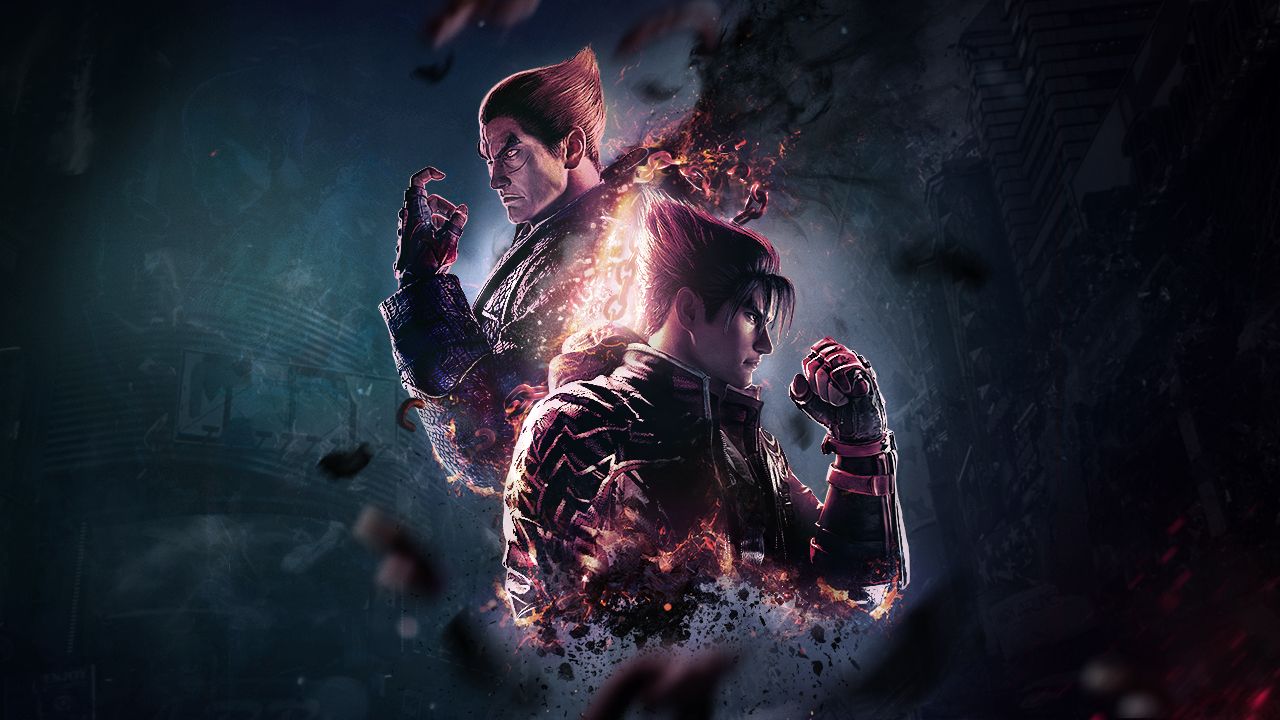
Few fighting games carry the legacy of Tekken, and Tekken 8 has been under intense scrutiny since launch. However, after a controversial Season 2 that divided the community, Bandai Namco has now revealed that Season 3 will take the game “back to basics.”
Season 2 introduced experimental balance changes and new systems that many competitive players felt strayed too far from Tekken’s core identity. While some welcomed innovation, others argued that the game lost its precise, skill-driven feel. As a result, online discourse quickly turned heated.
Now, the developers are responding.
According to the Season 3 reveal, the focus is shifting back towards fundamental movement, neutral gameplay, and tighter character balance. Aggression-heavy mechanics are being dialled back. Defensive play is once again being rewarded. Importantly, legacy knowledge is becoming valuable again.
This pivot matters. Tekken has always thrived on mastery built over years, not just seasonal experimentation. By re-centring the experience, Season 3 aims to rebuild trust with long-time fans while still keeping the door open for newcomers.
Crucially, this move also shows a broader trend. Developers are increasingly listening when live-service changes overshoot player expectations. While innovation remains essential, respecting a franchise’s DNA is equally vital.
For competitive players, Season 3 could mark a return to form. For casual fans, it promises a cleaner and more readable experience. Either way, Tekken 8 is entering a crucial phase in its lifecycle.
Gaming World News: Google’s Project Genie Shakes Game Stocks
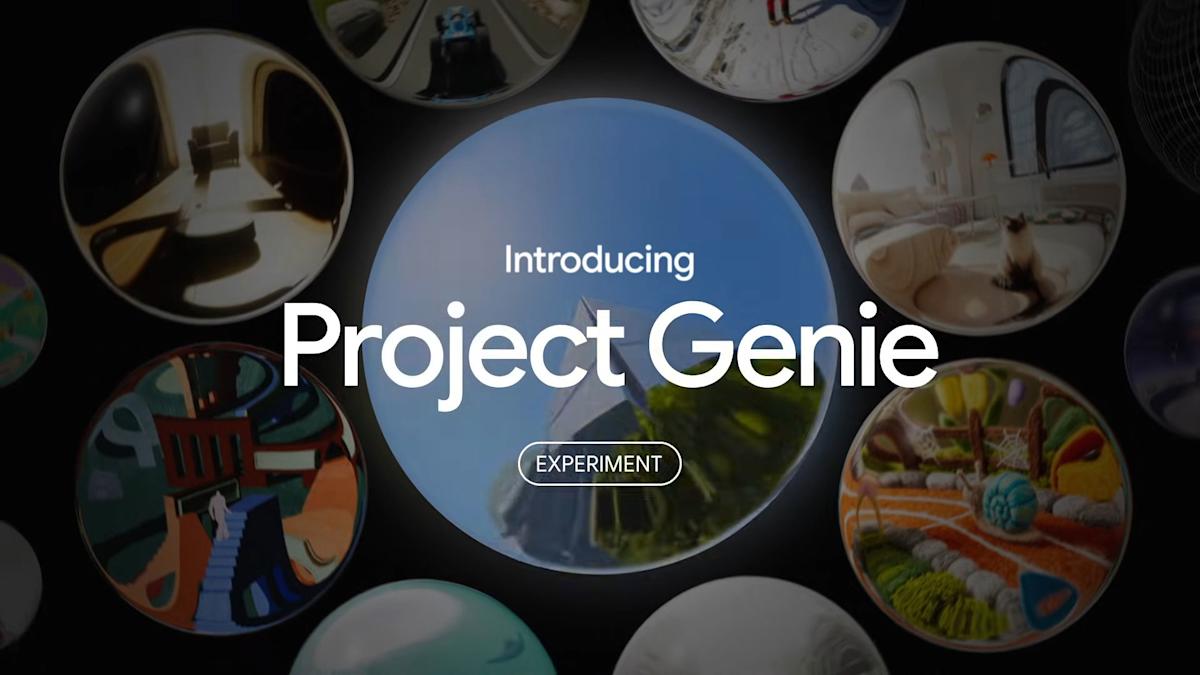
In a surprising twist, it wasn’t a console launch or blockbuster delay that rattled investors this week — it was Google.
Following the launch of Project Genie, Google’s AI-powered virtual world generator, several game companies saw their share prices dip sharply. The reaction was swift, and in some cases, brutal.
Project Genie promises to generate simple, playable 3D environments using AI. On paper, this sounds revolutionary. However, the reality appears far more limited. Early demonstrations showed extremely basic worlds, lacking depth, structure, or meaningful interactivity.
So why the panic?
Investors reacted less to what Project Genie is today and more to what it could become. The fear is familiar: automation replacing creativity, AI disrupting development pipelines, and tech giants muscling into an industry they didn’t build.
Yet, many developers and analysts remain unconvinced. Game development is not just about generating spaces. It’s about systems, storytelling, balance, and intent. AI tools may assist creators, but they are nowhere near replacing them.
Nevertheless, perception matters in markets. Even a hint of disruption can trigger sell-offs. As a result, several established studios experienced noticeable dips, despite no changes to their actual products or roadmaps.
This moment highlights a growing tension. AI is advancing rapidly, but its role in games remains uncertain. While tools like Project Genie may eventually become useful prototyping aids, they currently lack the sophistication required for full-scale development.
In short, the industry isn’t being replaced. But it is being watched closely.
Apex Legends Players Face a Nintendo Hardware Deadline
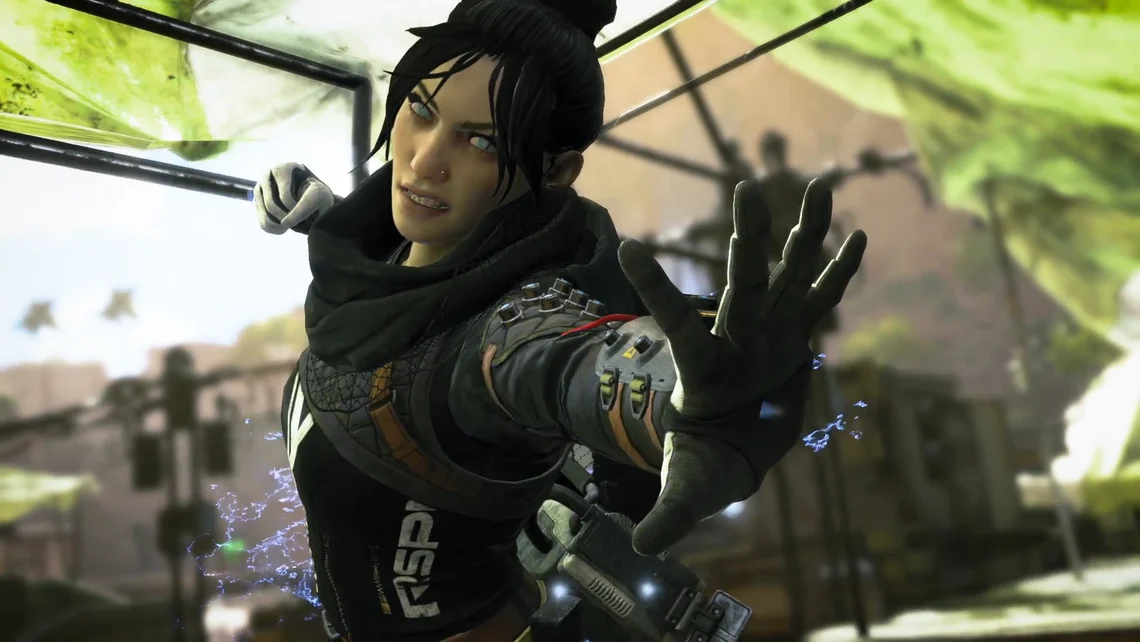
A major change is coming for Apex Legends players on Nintendo platforms — and the clock is ticking.
Respawn Entertainment has confirmed that players who want to continue playing Apex on a Nintendo system will need to upgrade to the Nintendo Switch 2 by August. After that point, support for the original Switch version will end.
This decision wasn’t made lightly. Apex Legends has always pushed hardware limits, and the original Switch struggled to keep up. Performance issues, reduced visual fidelity, and longer load times became increasingly common.
The Switch 2, however, promises significantly improved power. Faster loading, better frame rates, and enhanced visuals are all expected. For Apex players, that means a smoother and more competitive experience.
Still, the announcement has sparked debate.
Some players see this as a natural evolution. Hardware ages, and games move on. Others feel left behind, especially those who adopted Apex specifically because it was available on the original Switch.
From Nintendo’s perspective, the move makes sense. Supporting demanding live-service games on outdated hardware creates long-term problems. From Respawn’s side, maintaining multiple performance baselines slows development.
Ultimately, this shift reflects a broader generational transition. As new hardware becomes the standard, legacy systems are gradually phased out. For Apex Legends fans, August is the line in the sand.
Gaming World News Blizzard Teases “Something Special” for World of Warcraft Classic
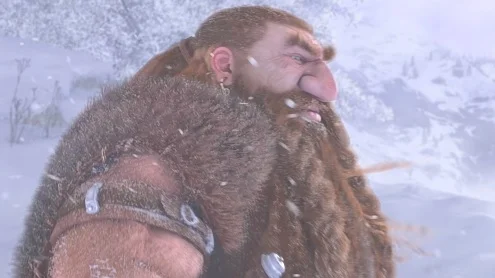
Few communities are as passionate — or as divided — as World of Warcraft Classic players. That’s why Blizzard’s latest tease has ignited intense discussion.
Blizzard has released a survey hinting at potential new ideas for Classic, sparking rumours of a possible “Classic Plus”experience. While nothing is confirmed, the questions alone have fuelled speculation.
Classic Plus, as a concept, suggests expanding Classic with new content while preserving its original philosophy. That means no radical modernisation, but carefully designed additions that feel authentic to early WoW.
Players are split.
Some welcome the idea enthusiastically. They want new raids, zones, and class tweaks that respect Classic’s slower, more social pace. Others are cautious. For them, Classic’s value lies in preservation, not evolution.
Blizzard’s challenge is delicate. Push too far, and Classic loses its identity. Do nothing, and stagnation sets in.
The survey suggests Blizzard is at least listening. It asks about player priorities, acceptable changes, and long-term engagement. Importantly, it avoids promises.
This cautious approach may be intentional. After years of community feedback — both positive and negative — Blizzard understands the stakes. Whatever comes next for WoW Classic will need to be handled with care.
For now, the debate rages on. And honestly, that passion is exactly why Classic still matters.
What These Stories Tell Us About Gaming Right Now
Taken together, these updates paint a clear picture of the industry’s current mood.
Firstly, player feedback matters more than ever. Tekken 8’s Season 3 reversal proves that developers cannot afford to ignore their core communities.
Secondly, technology anxiety is real. Project Genie shows how even limited AI tools can rattle markets and spark existential debates.
Thirdly, hardware transitions are accelerating. Apex Legends’ Switch deadline highlights how live-service games are increasingly tied to modern systems.
Finally, nostalgia remains powerful. Blizzard’s WoW Classic tease demonstrates that old games, when handled correctly, can stay relevant for decades.
The gaming world is evolving quickly. However, its foundation remains the same: players, passion, and playability.
If the last 48 hours prove anything, it’s that gaming’s future will be shaped as much by community reaction as by innovation itself.
Gaming World News Final Thoughts
Whether you’re a competitive fighter, a battle royale regular, or a nostalgic MMO veteran, there’s no shortage of movement right now. These stories don’t just exist in isolation. They reflect wider shifts across the industry.
Stay tuned. If this pace keeps up, the next 48 hours could be just as wild.