Meta Is Cutting VR — Indie Studios Like XORWIRE Are Building Its Future
Indie VR studios are becoming central to the future of immersive gaming as the virtual reality industry hits a turning point.
Meta has confirmed another wave of layoffs across its VR division — cutting loose developers, engineers and creators who helped shape the platform from the ground up. While layoffs have become an uncomfortable pattern across tech, their impact on VR lands differently.
This isn’t just about jobs. It’s about momentum.
VR is still finding its identity. Its rules aren’t fixed. Its ceiling hasn’t been discovered. When experienced builders disappear, progress doesn’t simply slow — it fragments.
Because innovation in VR doesn’t come from strategy decks or boardroom forecasts. It comes from people experimenting late at night, breaking systems, rebuilding mechanics and chasing moments that feel right in-headset.
When creativity lives inside corporate structures, it survives only as long as market conditions allow.
And when those conditions change, the people pushing the medium forward are often the first to go.
The VR Market Is Shifting — Not Collapsing
Despite frequent headlines suggesting instability, virtual reality is not in decline.
Headset adoption continues to grow, hardware improves with every generation, and mixed reality is becoming more accessible. From a consumer perspective, interest in immersive technology remains strong.
However, the investment landscape is changing.
Large technology companies are tightening budgets and reassessing long-term experimental spending. Internal VR studios are shrinking, and high-risk creative projects are becoming harder to justify under shareholder pressure.
Meta’s latest round of VR layoffs reflects this shift.
While often described as restructuring, layoffs in emerging technology have wider consequences. When experienced developers leave, years of specialist knowledge disappear with them. In a medium still defining its foundations, that loss is significant.
VR does not advance through optimisation alone. It moves forward through experimentation, iteration and creative obsession. Yet these qualities struggle to survive inside corporate systems built around predictability.
As budgets tighten, innovation becomes conservative. Experimental teams pause. Content pipelines slow.
As a result, the audience for VR continues to grow, while corporate output declines. With fewer first-party titles expected from major platforms, responsibility for innovation is shifting away from tech giants.
Instead, the future of virtual reality increasingly depends on independent studios willing to keep building when others pull back.
The Growing Importance of Indie VR Developers
Independent VR studios play by completely different rules.
They aren’t answering to shareholders or quarterly earnings calls. They’re answering to players. While big organisations move through layers of approval, indie teams iterate in real time — testing ideas, breaking mechanics and shipping updates fast.
Most importantly, they build because they genuinely care about the medium.
That mindset changes everything.
Independent studios are the ones willing to take creative risks larger companies can’t justify. They experiment with movement systems, interaction design and game ideas that would never survive a corporate pitch deck.
They also move faster. Without heavy bureaucracy, small teams can adapt quickly as hardware improves and tools evolve.
Crucially, immersion comes first. Monetisation models follow later.
Where major studios often design around retention curves and spend funnels, indie developers focus on how VR feels — presence, flow and the moments that make players forget they’re wearing a headset.
In uncertain markets, those qualities aren’t weaknesses. They’re advantages.
As corporate VR output slows, independent studios are becoming the engine keeping the ecosystem alive — pushing creativity forward while others pull back.
XORWIRE: An Independent Studio Building Forward
XORWIRE sits right at the centre of this shift.
Founded by Evan — who turns 16 soon — the studio represents a new generation of VR developers building outside traditional industry pathways. No publisher safety net. No corporate infrastructure. Just ideas, iteration and an obsession with what VR can become.
Instead of waiting for permission, XORWIRE chose to build.
That independence has shaped everything the studio creates. Development moves fast. Experiments happen early. Community feedback feeds directly into updates. Each project becomes part of an ongoing learning loop rather than a closed production cycle.
In a market where hesitation is common, XORWIRE has stayed in motion.
And that approach is paying off.
Real Games. Real Players and Real Momentum.
XORWIRE’s growing catalogue shows what independent development looks like in practice — varied, experimental and driven by player experience rather than trends.
Stupid Chimp Slop
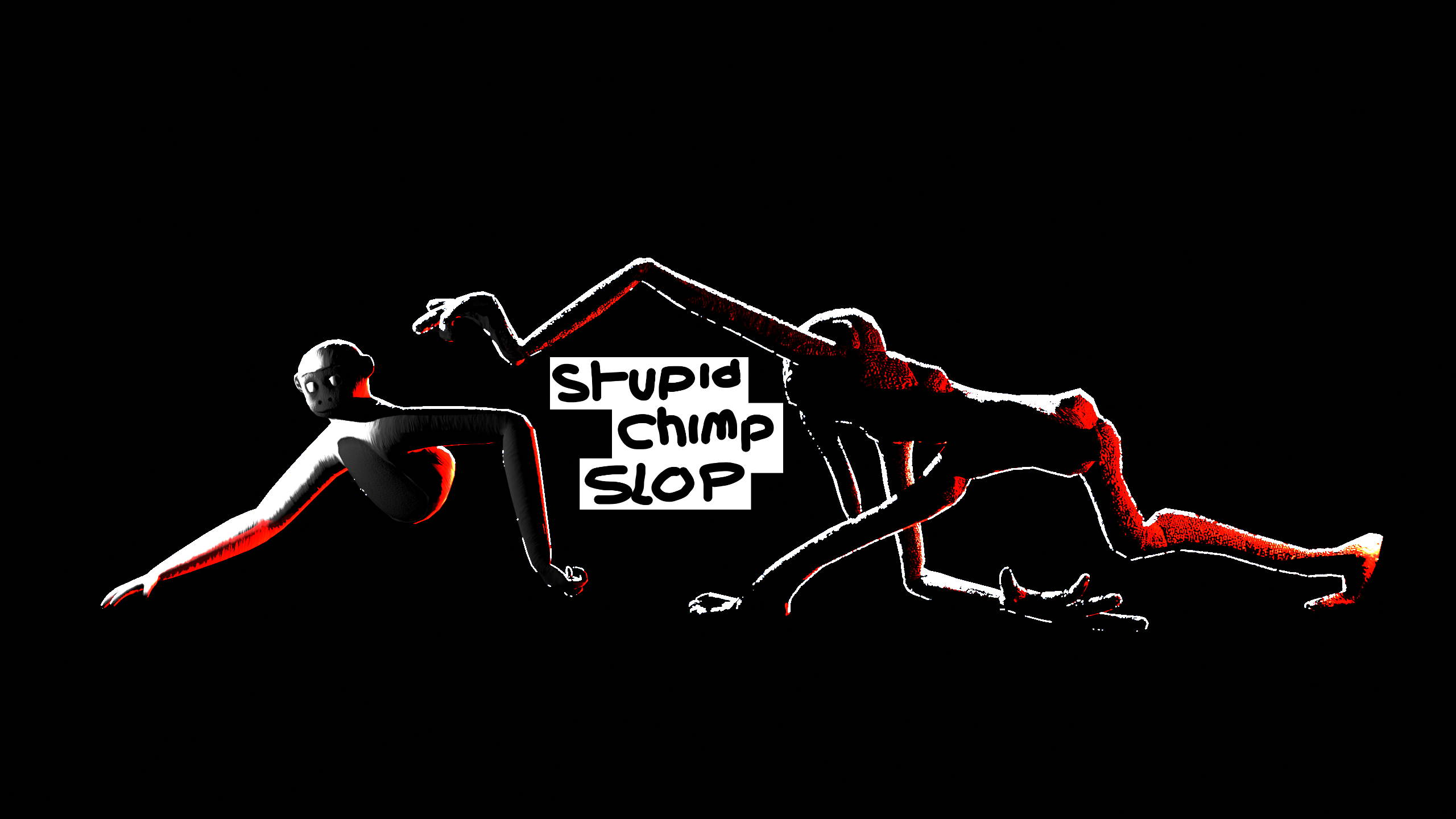
The studio’s newest title has now passed 60,000 installs, a notable milestone in today’s crowded VR ecosystem.
Reaching that level of adoption without major marketing spend highlights something important: strong player retention and genuine word-of-mouth discovery. It also reinforces demand for smaller, personality-driven VR experiences that feel chaotic, creative and unapologetically fun.
In a space often dominated by polished sameness, Stupid Chimp Slop leans into identity — and players are responding.
Breakout VR
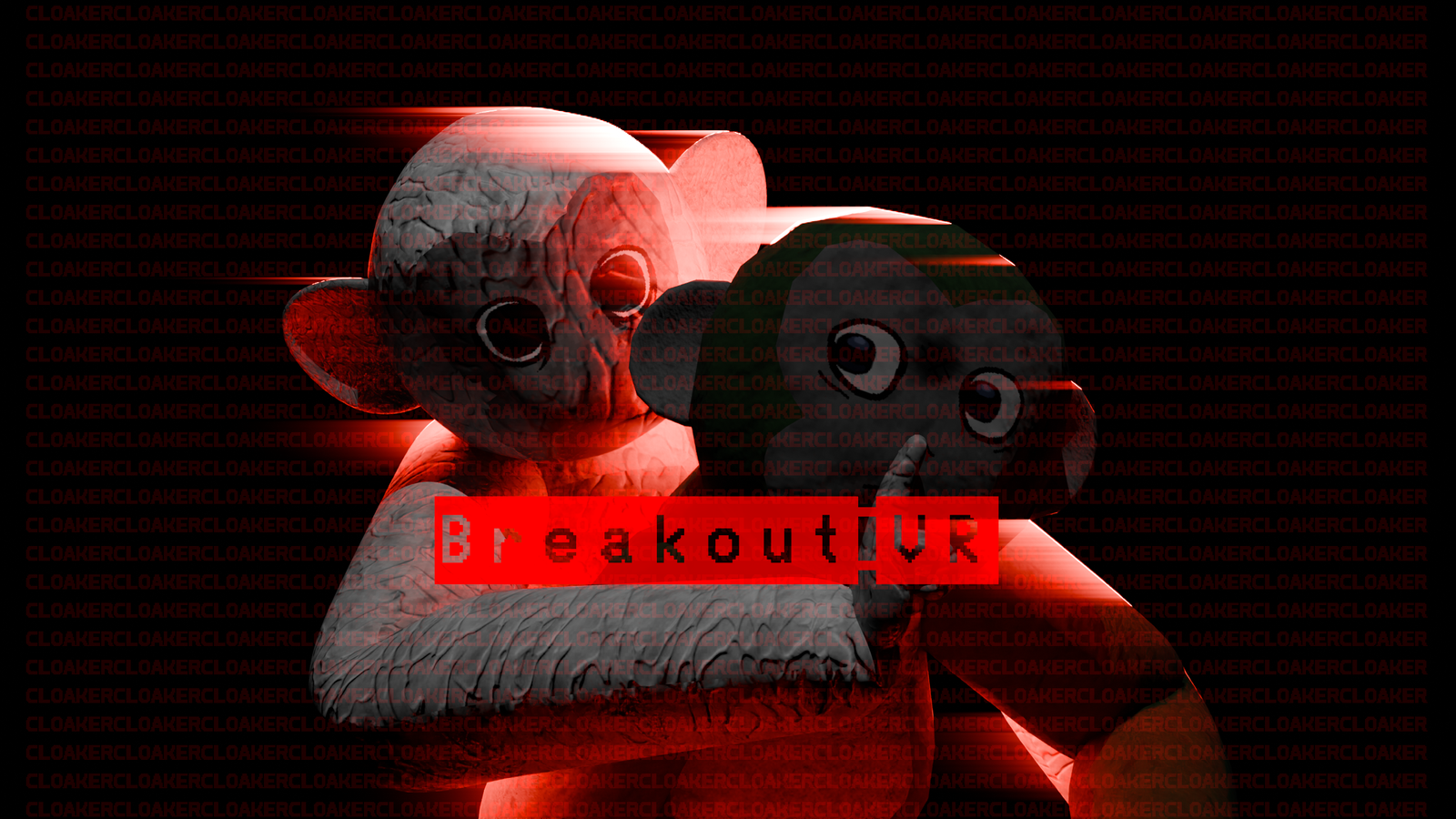
Breakout VR takes familiar gameplay ideas and reimagines them through spatial interaction.
Fast-paced, intuitive and built around physical engagement, the game demonstrates how indie studios can refresh classic concepts inside immersive environments. It’s a reminder that VR innovation doesn’t always require reinvention — sometimes it’s about perspective.
Executed well, simple mechanics become entirely new experiences in-headset.
Chemp Physics

On the other end of the spectrum sits Chemp Physics.
Designed as an educational sandbox, the title highlights one of the biggest advantages indie studios hold: creative range. Without rigid commercial constraints, XORWIRE can move freely between entertainment, education and experimentation.
Where large studios often stay locked to a single lane, independent teams can explore multiple directions at once.
That flexibility is increasingly rare — and increasingly valuable.
Why Indie Studios Will Shape VR’s Next Era
As corporate VR development slows, independent studios are stepping into the spotlight.
Not because they were given the opportunity — but because the ecosystem now depends on them.
Several shifts across the industry make this impossible to ignore.
The content gap is growing
With fewer first-party VR releases on the horizon, platforms are increasingly reliant on independent developers to keep players engaged.
VR audiences want new experiences. Stores need fresh content. Without a steady release cycle, momentum fades quickly.
Indie studios fill that gap.
They ship often, iterate fast and keep the ecosystem moving while larger teams slow down.
Innovation needs freedom
VR is still writing its rulebook.
Movement systems. Interaction design. Comfort solutions. Presence.
None of these are finished problems — and none are solved through meetings or approval chains.
Real progress comes from experimentation.
Independent developers can prototype quickly, test ideas in-headset and refine mechanics without delay. When something fails, they adjust. When something works, they build on it immediately.
That freedom is where VR’s biggest breakthroughs come from.
Community now drives success
VR isn’t powered by marketing spend alone.
Players follow developers. They join Discord servers. They test early builds and they share clips and feedback in real time.
This direct connection between creator and audience has become one of VR’s biggest strengths.
And it strongly favours indie teams willing to show the process, listen closely and build alongside their communities.
In today’s landscape, visibility is earned through authenticity — not scale.
As the industry shifts, one thing is becoming clear.
The next era of virtual reality won’t be defined by the biggest studios.
It will be shaped by the builders who keep shipping, keep experimenting and keep showing up — even when the market gets uncertain.
Why Supporting Indie VR Matters
Without independent developers, VR risks stagnation. Innovation slows. Creativity narrows. Experiences become predictable.
Supporting indie studios is not about charity. It is about sustaining the medium itself. Following their work, sharing releases and amplifying milestones all contribute to a healthier ecosystem. Progress compounds when builders are supported.
The Future of VR Won’t Be Built in Boardrooms
Virtual reality was born from imagination. From people who saw empty space and envisioned worlds.
Meta’s contribution to VR will always matter. Yet the next chapter will not be decided by corporate timing or budget cycles.
It will be shaped by independent creators who continue building when conditions become uncertain. Studios like XORWIRE.
Builders driven by curiosity, persistence and belief in what VR can still become.
That future is not theoretical. It is already being built.