Hell Let Loose: Vietnam Review – Tactical Warfare in the Jungle
Hell Let Loose: Vietnam takes large-scale tactical warfare into the jungles, villages and waterways of Vietnam. Rather than reinventing the series, it builds upon its established formula with a dramatically different battlefield.
This is still a game about teamwork above everything else. Running towards the action without a plan rarely ends well. Instead, communication, positioning and patience determine whether your squad survives.
The Vietnam setting makes that philosophy even more intense.
Dense vegetation limits visibility. Helicopters create new tactical opportunities. Enemies can disappear into the landscape within seconds. Consequently, every movement across the battlefield carries an element of risk.
For players who enjoy slower, tactical multiplayer shooters, Hell Let Loose: Vietnam offers an ambitious new battlefield to master.
Hell Let Loose: Vietnam Puts Teamwork First
At the heart of Hell Let Loose: Vietnam are enormous 50-versus-50 multiplayer battles.
Players are divided into squads, with different roles contributing towards the wider objective. Success requires far more than simply achieving the highest kill count.
Communication is essential.
Squad leaders need to identify threats, organise movements and decide where their soldiers are most useful. Meanwhile, individual players must listen, react and support the wider strategy.
When everything works, the experience is incredibly rewarding.
A coordinated assault can involve infantry moving through vegetation while helicopters transport reinforcements elsewhere. At the same time, another squad might be defending an important position.
These interconnected moments give battles a genuine sense of scale.
However, poorly organised teams can quickly struggle. Without communication, the enormous environments can become confusing and frustrating.
Vietnam Creates a Different Kind of Battlefield
Moving the series into the Vietnam War significantly changes how players approach combat.
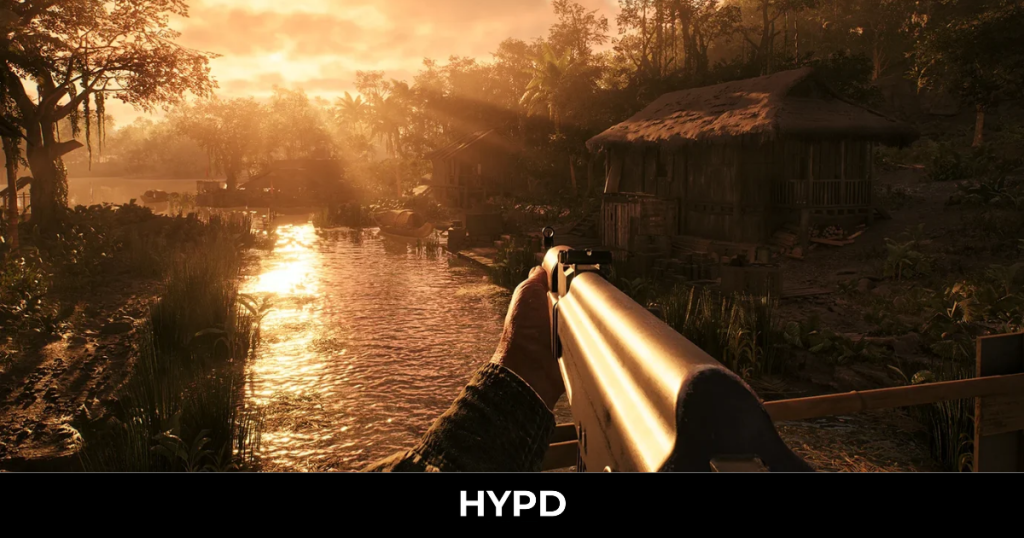
Thick jungle environments make spotting enemies difficult. Open spaces suddenly feel dangerous, while vegetation offers valuable concealment.
You need to watch your surroundings constantly.
An enemy could be hiding amongst trees only metres away. Alternatively, shots might arrive from somewhere completely outside your field of view.
This creates tremendous tension.
The landscapes also encourage players to think carefully about positioning. Rivers, settlements, forests and exposed areas each create different tactical challenges.
As a result, learning the maps becomes just as important as learning the weapons.
Huge Maps Make Transport Essential
The scale of the environments means transport plays an important role.
Walking everywhere simply isn’t practical.
Vehicles allow squads to reach objectives more efficiently, while helicopters introduce another layer of tactical freedom. They can transport troops across large distances and potentially help teams establish pressure in unexpected areas.
However, vehicles require practice.
Hell Let Loose: Vietnam doesn’t suddenly become an arcade shooter when you climb aboard one. The emphasis remains firmly on teamwork and coordination.
Used effectively, transport can transform an attack. Used badly, it can quickly become another opportunity for disaster. That unpredictability is part of the appeal.
Combat Is Brutal and Unforgiving
Anyone accustomed to fast-paced shooters may initially find the combat difficult.
Hell Let Loose: Vietnam deliberately offers limited assistance. There isn’t constant feedback telling you exactly what is happening around you.
Deaths can happen extremely quickly.
Sometimes you will know precisely where the enemy is located. Other times, a seemingly safe journey through the jungle ends with a shot from an opponent you never saw.
It can be frustrating.
However, that vulnerability also gives firefights considerably more tension. Crossing an exposed area suddenly becomes a tactical decision rather than a simple sprint towards the next objective.
Weapons feel dangerous because mistakes have consequences.
Therefore, slowing down is often the smartest option.
The Learning Curve Won’t Suit Everyone
Hell Let Loose: Vietnam isn’t designed to provide instant gratification.
New players must understand squad roles, communication systems, spawn locations, objectives and map layouts. Learning how everything connects takes time.
Movement can also feel deliberately heavy compared with mainstream shooters.
For some players, that will be part of the appeal. For others, it could become a barrier.
The experience is particularly dependent on other players.
Join a communicative squad and the game immediately becomes more engaging. Find yourself surrounded by silent teammates, however, and much of the tactical depth disappears.
That makes individual matches somewhat unpredictable.
Hell Let Loose: Vietnam Review – The Verdict
Hell Let Loose: Vietnam successfully transfers the series’ tactical multiplayer formula into a setting that fundamentally changes how battles unfold.
The dense environments make movement dangerous. Huge maps encourage careful planning, while vehicles and helicopters give squads more ways to approach objectives.
Most importantly, teamwork remains essential.
There are frustrations. Visibility can make deaths feel confusing, movement won’t appeal to everyone and inexperienced teams can make matches feel directionless.
However, those weaknesses are closely connected to what makes the experience distinctive.
This isn’t about being the fastest player on the battlefield. It’s about becoming part of an organised fighting force and contributing towards a much larger objective.
When communication, strategy and action come together, Hell Let Loose: Vietnam delivers intense multiplayer warfare with an impressive sense of scale.
It demands patience, but tactical shooter fans may find plenty worth fighting for.