Resonance: A Plague Tale Legacy Review
The A Plague Tale series has always thrived on darkness, desperation and characters pushed beyond their limits. Resonance: A Plague Tale Legacy takes those foundations somewhere different, trading much of the franchise’s familiar rat-infested horror for ancient mythology, stronger combat and an entirely new mystery.
Developed by Asobo Studio, this prequel takes place 15 years before A Plague Tale: Requiem. Instead of returning to Amicia and Hugo, the story focuses on Sophia, the smuggler and pirate captain introduced in Requiem.
It is a bold change.
However, while Resonance sometimes feels considerably different from its predecessors, its obsession with loss, suffering and the consequences of the past remains unmistakably A Plague Tale.
Sophia Steps Into the Spotlight
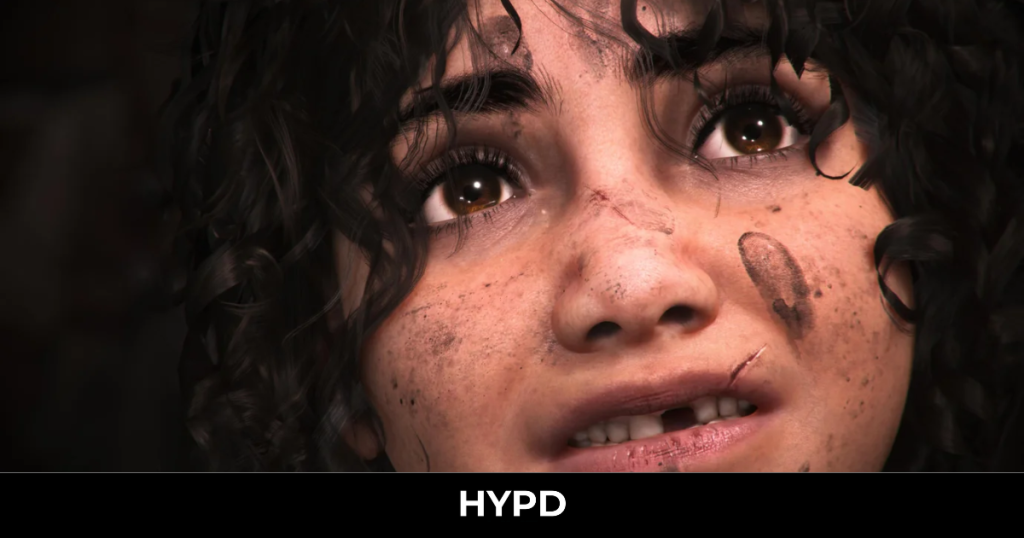
Making Sophia the protagonist gives Resonance an immediately different personality. Players who encountered her in Requiem already know her as a confident and capable figure. Here, we discover more about the experiences that shaped her.
The story follows a younger Sophia as mysterious visions eventually draw her towards Minotaur’s Island. There, she becomes entangled with ancient secrets connected to Minoan civilisation and Greek mythology.
Theseus, the Minotaur and the legendary Labyrinth all become important parts of the adventure. At points, players even experience events through Theseus himself, allowing the past and present to intertwine.
It gives Resonance its own identity without completely abandoning the franchise that created it.
More importantly, Sophia is an engaging lead. She is stronger in direct confrontation than previous A Plague Taleprotagonists, which allows Asobo to dramatically expand the game’s combat.
Combat Changes the A Plague Tale Formula
Combat is one of the most obvious departures.
Where previous games regularly encouraged stealth and avoidance, Resonance gives Sophia the tools to fight back. Sword and dagger combat places a greater emphasis on dodging, blocking, parrying and landing well-timed attacks. Players can also improve Sophia’s abilities as they progress.
It makes encounters more action-focused.
At its best, combat adds pace and gives Sophia a fighting style that suits her character. However, the system does not always feel as distinctive as the mechanics found elsewhere in the game.
There is familiarity here.
The action-adventure genre already has countless games built around melee combat, upgrades, exploration and environmental challenges. Consequently, Resonance occasionally feels more conventional than the games that came before it.
Thankfully, its puzzles provide far more personality.
Ancient Puzzles Bring the Island to Life
Exploring Minotaur’s Island introduces some of Resonance’s most interesting gameplay.
Sophia gains access to a mysterious sphere capable of manipulating light. Players use it to uncover hidden symbols, reveal clues and split light into different coloured beams. Mirrors and other environmental objects must then be positioned correctly to solve increasingly elaborate challenges.
The puzzles become more involved as the adventure progresses.
Sophia’s journal can also provide useful information, while assistance is available when a solution proves difficult. This helps prevent the more complicated challenges from becoming complete roadblocks.
However, puzzles can occasionally interrupt the pacing. Resonance frequently moves between exploration, puzzles and combat, creating a structure that becomes easier to recognise as the hours pass.
Even so, uncovering the island’s secrets remains one of the strongest parts of the experience.
A Beautiful World Filled With Misery
Asobo Studio once again delivers impressive environments.
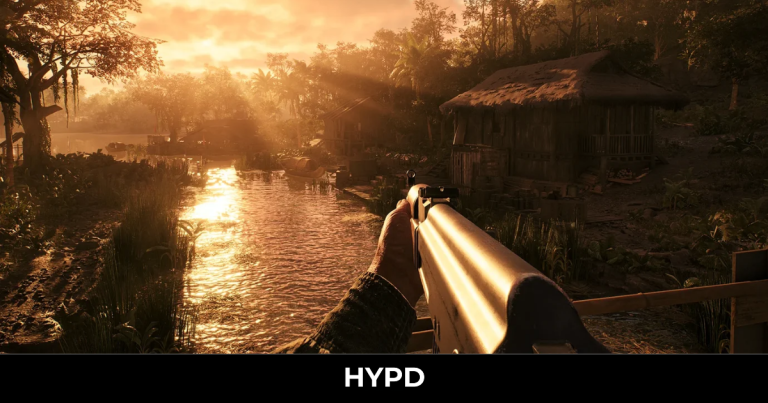
Sun-soaked ruins, enormous ancient structures and oppressive underground spaces create striking contrasts throughout the adventure. The Minoan influence also helps distinguish Resonance visually from the medieval France of Innocence and Requiem.
Yet beauty rarely means safety.
As Sophia travels deeper beneath the island, the atmosphere becomes increasingly uncomfortable. Light itself becomes essential to survival in some areas, with darkness hiding threats that cannot simply be defeated with a sword.
These sections feel much closer to classic A Plague Tale.
Players suddenly become vulnerable again. Movement must be considered carefully, and escaping danger becomes more important than defeating it.
The famous swarms of rats may no longer dominate the screen, but Resonance still knows how to create dread.
Does Resonance Still Feel Like A Plague Tale?
That question will probably divide players.
Resonance changes enough that it can sometimes resemble a separate action-adventure attached to the A Plague Taleuniverse. The greater focus on combat, Greek mythology and ancient ruins pushes the series into unfamiliar territory.
Nevertheless, the emotional foundations remain.
This is still a story shaped by trauma, relationships, history and forces beyond human understanding. Sophia may be more capable than Amicia, but that does not protect her from the darkness surrounding her.
Resonance simply finds new ways to make its characters suffer.
Resonance: A Plague Tale Legacy Review Verdict
Resonance: A Plague Tale Legacy is an ambitious prequel that successfully expands the franchise beyond Amicia and Hugo.
Sophia proves capable of carrying her own story, while Minotaur’s Island provides a spectacular setting filled with ancient mysteries. The light-based puzzles are a particular highlight, and the darker sections demonstrate that Asobo has not forgotten what makes A Plague Tale so unsettling.
Combat is less distinctive, and the repeated rhythm of fighting, exploring and puzzle-solving can occasionally become predictable. However, those weaknesses do not erase the strength of the overall adventure.
Resonance takes a risk by changing the formula.
For the most part, that risk pays off.