
Wildgate: The Review
Welcome to Wildgate: The Review — your ultimate breakdown of the latest indie gem shaking up the roguelike FPS genre. If you’re a fan of pulse-pounding gameplay, AI-infused narrative twists, and run-based chaos, then Wildgate is ready to overload your circuits.
Let’s dive into what makes this mechanical madhouse one of 2025’s most talked-about indie releases.
What Is Wildgate?
Wildgate is a neon-drenched, adrenaline-fuelled first-person shooter that throws you into the motherboard of a crumbling digital world. You play as a rogue AI, trapped inside a glitch-ridden fortress filled with enemies, traps, and ever-shifting layouts. It’s part dungeon crawler, part bullet-hell, and all chaos.
Every run is different. Every corridor hides danger. And every weapon you wield feels like an extension of your synthetic soul.
But here’s the kicker — death is expected. It’s learning from your failures that unlocks the true thrill.
Visual Style and Vibe: Sci-Fi Meets Sorcery
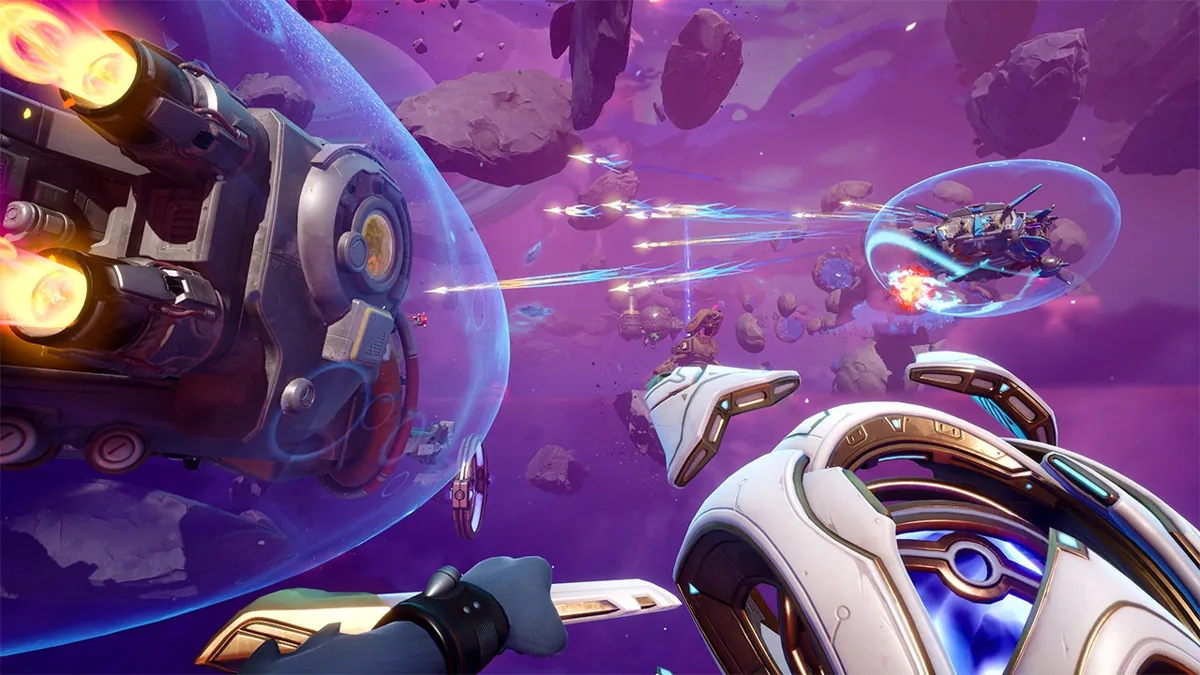
Right from the start, Wildgate grabs your attention with its visual flair. Think Tron meets DOOM Eternal with a dash of spell-punk flair. The corridors pulse with luminous circuits, digital glyphs hover in the air, and enemies burst apart in pixelated explosions.
There’s something hauntingly beautiful about the way this digital underworld is brought to life. Every room feels handcrafted yet procedurally unpredictable — a rare combo in today’s roguelike scene.
The soundtrack slaps, too. Pulsing synths, glitched-out ambience, and high-tempo beats keep the tension high and the trigger finger twitchy.
Gameplay Breakdown: Fast, Feral, and Frantic
At its core, Wildgate is all about speed and adaptability. You’re thrown into procedurally generated arenas, each filled with deadly threats and opportunities to push your build in wild new directions.
You’ll need sharp reflexes and sharper instincts. Enemies don’t wait around. They charge, flank, and bombard you with magic-imbued attacks. From floating drones to corrupted AI cultists, there’s no shortage of digital freaks looking to delete you from existence.
It’s fast. It’s tight. And it’s endlessly addictive.
Weapons and Abilities: Chaos at Your Fingertips
Wildgate throws a ton of variety your way, and that’s where the real fun kicks in.
You’ll find:
-
Energy cannons that chain lightning across rooms.
-
Spelltech shotguns that launch fireballs with recoil strong enough to hurl you backwards.
-
Warp grenades that suck enemies into miniature black holes.
But it’s not just about firepower. The game’s upgrade system is wild, too. You can combine perks that transform your dash into a damaging shockwave, turn reloads into EMP bursts, or even corrupt yourself with unstable buffs that might backfire in spectacular fashion.
The customisation here is deep, but not overwhelming. It encourages experimentation — and every run feels like a new chaotic science project.
Difficulty and Progression: Brutal but Fair
Let’s get real: Wildgate doesn’t mess about.
This game is hard. But never cheap.
Enemies escalate quickly. Bosses hit like trucks. And the deeper into the gate you go, the more you’ll need to rely on quick thinking rather than brute force. It’s here the roguelike DNA really shines — expect a loop of:
-
“That was unfair.”
-
“Wait, maybe if I used that instead…”
-
“Let me go again.”
And the best part? The more you die, the more you learn. Your AI upgrades persist across runs, unlocking new weapons, traversal mechanics, and even lore fragments that deepen the mystery.
Story and Worldbuilding: Hints of Something Bigger
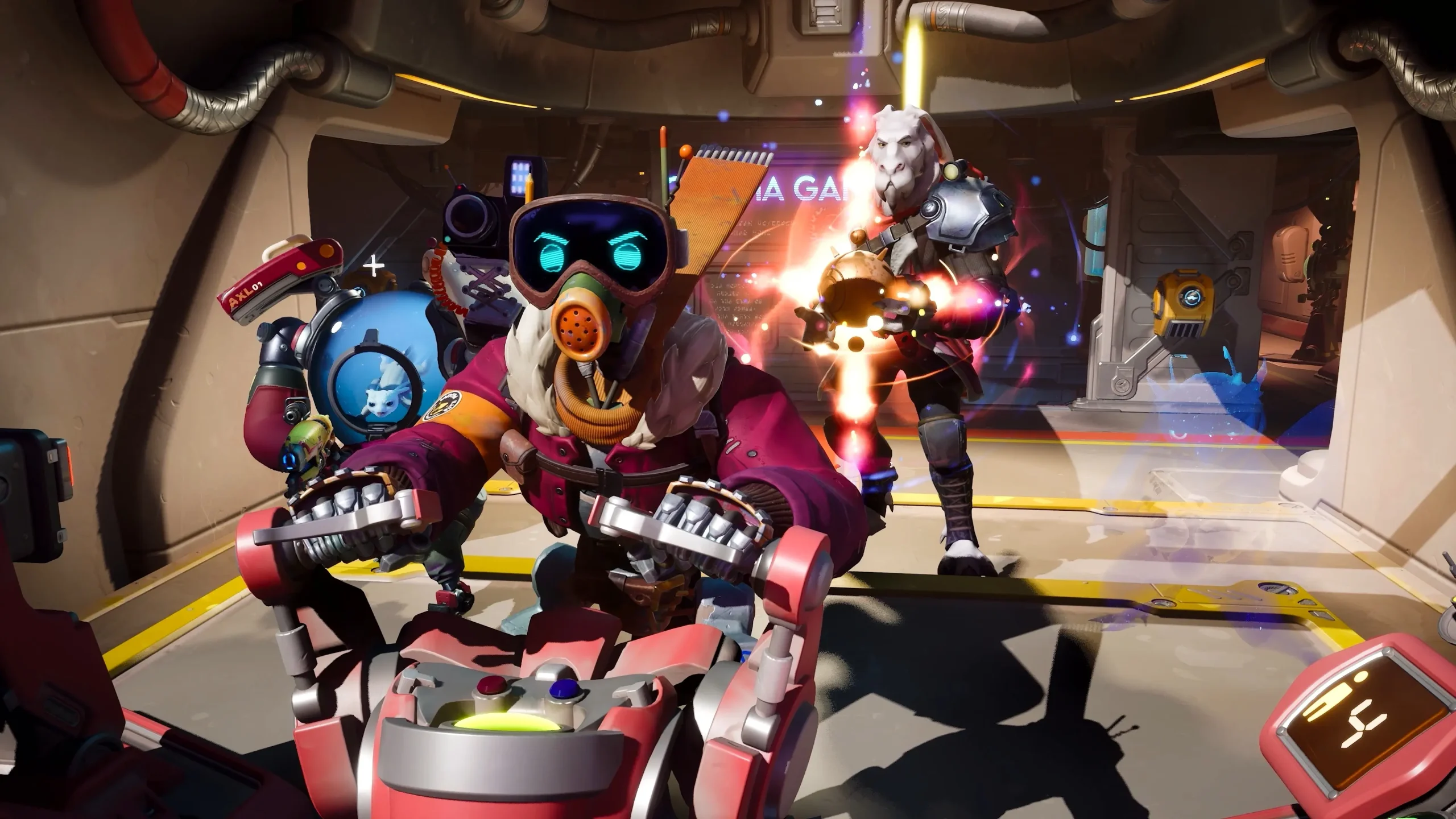
Though Wildgate is heavy on action, there’s still an intriguing layer of narrative humming beneath the surface.
You’re a rogue AI, yes — but why were you created? Who built the Wildgate? What’s really waiting at the core?
Fragments of logs, encrypted messages, and eerie environmental storytelling slowly reveal the bigger picture. It’s not spoon-fed, but for those willing to dig, there’s a deeper lore that ties the madness together.
It’s this balance of relentless gameplay and ambient storytelling that makes Wildgate feel more than just another shooter.
Boss Fights: Highlights of the Madness
No roguelike is complete without memorable bosses — and Wildgate delivers in style.
Each biome ends with a unique showdown that pushes your build to its limits. Expect laser-spewing AI dragons, floating virus priests, and giant corrupted machines that fill the screen with neon doom.
These fights are explosive, pattern-heavy, and intensely satisfying once you’ve cracked them. They also act as progress gates (pun intended), meaning you’ll need to truly earn your spot in the deeper levels.
Technical Performance: Clean Code, Smooth Ride
Despite its chaotic visuals and action-heavy gameplay, Wildgate runs smooth as butter.
Load times are near-instant. Controls feel sharp and responsive. And crashes? Non-existent in our testing.
For an indie title, this kind of polish is rare — and appreciated.
It even supports ultrawide monitors and rebindable keys, making accessibility solid right out of the gate.
What Could Be Improved?
Even the most electrifying games have room to grow. Here’s where Wildgate could level up:
-
More biomes: The environments are gorgeous, but after several hours, some visual repetition creeps in.
-
Deeper lore delivery: The story is intriguing but very cryptic. A bit more structure wouldn’t hurt.
-
Unlock pacing: Some key upgrades feel locked behind slightly too many hours.
Still, these are nitpicks. The core loop is rock solid.
Final Thoughts: A Glorious Glitch-Fuelled Ride
Wildgate is a shot of pure, unfiltered energy straight to the neural net. With its slick visuals, tight combat, and unpredictable runs, it carves out a space of its own in the roguelike arena.
It doesn’t try to reinvent the genre — it just executes it beautifully, with style, speed, and smarts.
For fans of games like Dead Cells, Neon Abyss, or Returnal, Wildgate is a must-play. Just be warned — once you start unlocking those corrupted upgrades, it’s hard to stop.


