The Relic: First Guardian Review
Dark fantasy action RPGs have become increasingly common, particularly as developers continue to experiment with ideas popularised by the Soulslike genre. The Relic: First Guardian enters this crowded space with an atmospheric world, aggressive combat and a story influenced by Korean and wider Asian folklore.
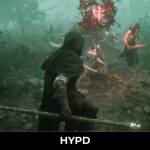
Developed by Project Cloud Games, the game sends players into the devastated land of Arsiltus. The Great Relic has been shattered, the Void has spread across the world, and dangerous creatures now roam what remains. As the First Guardian, players must recover the lost fragments and attempt to restore order.
It sounds like the foundation for an unforgettable adventure. However, as our The Relic: First Guardian review explores, strong ideas are frequently undermined by technical and design shortcomings.
A Dark Fantasy World Filled With Potential
One of The Relic: First Guardian’s strongest qualities is its setting. Arsiltus is bleak, dangerous and packed with environmental storytelling.
Ruined settlements, abandoned structures and threatening landscapes help establish a world already pushed close to destruction. Rather than simply providing a backdrop for combat, these locations contribute to the game’s sombre atmosphere.
There is also an interesting folklore-inspired identity beneath the familiar dark fantasy surface. The game draws inspiration from Asian and Korean folklore, giving some enemies and stories a distinctive character. Certain bosses are connected to their own tragic histories, encouraging players to discover what happened before confronting them.
Unfortunately, the central narrative does not always match the potential of its world. The broader concept is intriguing, but storytelling can feel fragmented. As a result, some players may find themselves more interested in exploring individual stories than following the main plot.
Combat Takes Centre Stage
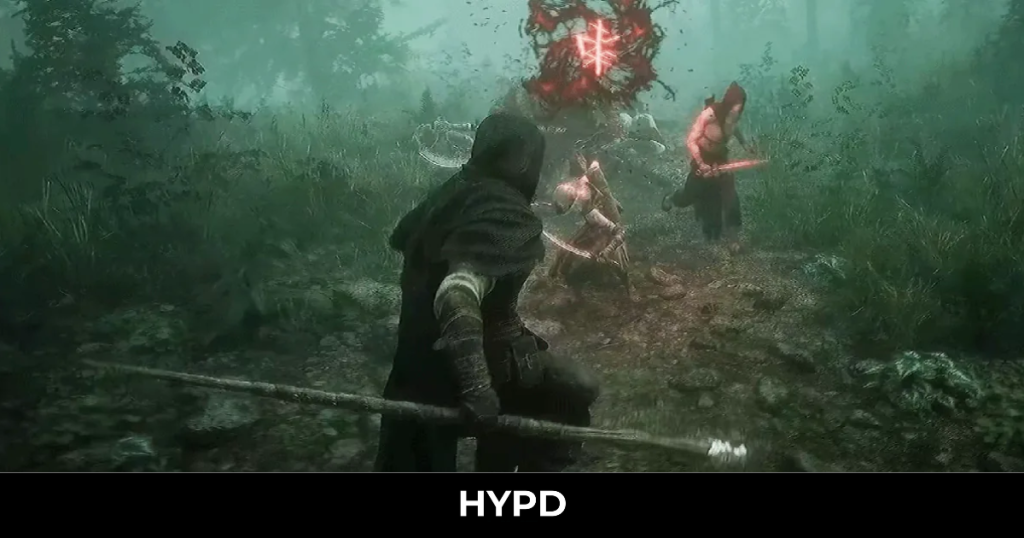
Combat is where The Relic: First Guardian makes its biggest impression.
The game borrows recognisable ideas from Soulslike titles while attempting to deliver a faster and more aggressive style. Players can experiment with different weapons, defensive techniques and abilities while facing increasingly dangerous enemies.
Rather than relying entirely on conventional character levelling, progression places greater importance on equipment, runes and crafting. This creates opportunities to experiment with different approaches without simply chasing experience points.
Boss battles are especially important. The game was promoted around a huge collection of major encounters, with enemies designed to provide both mechanical challenges and individual stories.
When everything works, combat can be energetic and satisfying. Landing attacks, learning enemy patterns and overcoming a difficult opponent can deliver genuine excitement.
However, consistency becomes an issue.
Movement and combat do not always feel as polished as they need to be. In a genre where timing and responsiveness are crucial, even small problems can quickly become frustrating. Other reviews have similarly highlighted rough movement and mechanical issues that prevent the combat from consistently reaching its potential.
Boss Battles Bring Spectacle
If you enjoy games built around boss encounters, there is plenty to discover.
The Relic: First Guardian repeatedly pushes players towards powerful enemies, often turning exploration into preparation for the next major battle. Many of these encounters are visually impressive and encourage players to understand attack patterns before committing to an aggressive strategy.
Additionally, the stories behind these creatures provide more context than simply presenting another oversized enemy.
That approach helps give certain battles emotional weight.
Nevertheless, quantity does not automatically equal quality. When boss fights appear so frequently, weaker encounters become more noticeable. Some battles feel memorable, while others struggle to distinguish themselves.
Technical Problems Hold the Adventure Back
The biggest weakness in The Relic: First Guardian is its lack of polish.
Visual inconsistencies, presentation problems and mechanical roughness can interfere with immersion. These issues are particularly disappointing because the artistic direction occasionally produces striking scenes.
The game clearly has ambition.
Unfortunately, ambition needs refinement.
When technical problems affect combat or exploration, they become difficult to ignore. This is especially true for an action RPG demanding accurate reactions from the player.
The result is an experience that can move quickly between impressive and frustrating. One moment might deliver a dramatic battle against a fascinating creature. Shortly afterwards, an awkward mechanic or presentation issue can break the atmosphere. Several published reviews have similarly identified technical shortcomings and unfinished-feeling systems as significant weaknesses.
Is The Relic: First Guardian Worth Playing?
There are good ideas throughout The Relic: First Guardian.
Its folklore-inspired world offers something different, while its boss-focused structure provides plenty of action. The equipment-driven progression system also gives players room to experiment with weapons and builds.
Yet the game struggles to transform those ideas into a consistently polished experience.
Fans of dark fantasy action RPGs may still find plenty to enjoy, especially those willing to overlook technical imperfections. Exploring Arsiltus, discovering smaller stories and tackling imposing bosses can provide genuinely entertaining moments.
However, players expecting the precision and refinement of the genre’s strongest titles may come away disappointed.
The Relic: First Guardian Review – Final Verdict
Ultimately, The Relic: First Guardian feels like an ambitious action RPG that needed more refinement before reaching its full potential.
Its dark world, folklore influences and energetic boss encounters demonstrate what Project Cloud Games was aiming to achieve. There are flashes of something special here.
Unfortunately, inconsistent combat, technical roughness and uneven presentation repeatedly get in the way.
The Relic: First Guardian is therefore difficult to dismiss completely. Its ideas are interesting, its world has personality and some encounters can be exciting. Yet it remains a game where the potential is often more impressive than the finished result.
For dedicated action RPG fans, Arsiltus may still be worth exploring. Just expect a challenging journey for reasons that extend beyond the enemies themselves.