Super Meat Boy 3D Review: A Brutal Platformer Reimagined
This Super Meat Boy 3D Review explores a bold evolution of a cult platforming classic. Moving from 2D to 3D is a major shift. Naturally, expectations are high.
The original game thrived on precision and speed. Every jump mattered. Every mistake was yours. Therefore, fans expected the same tight experience in a new dimension.
At first, Super Meat Boy 3D delivers that familiar intensity. However, as you progress, the move to 3D introduces both exciting changes and noticeable challenges.
Gameplay: Fast, Precise, and Unforgiving
The core gameplay loop remains addictive. Levels are short. Most take under a minute to complete. However, success often requires many attempts.
Each failure teaches something new. As a result, progression feels rewarding. You quickly learn patterns and refine your timing.
Importantly, controls feel tight and responsive. This is essential for a precision platformer.
However, the transition to 3D adds complexity. Depth perception becomes a factor. You must judge distances more carefully. Sometimes, this leads to missed jumps.
Additionally, camera angles can occasionally make things harder. Even so, once you adapt, movement feels fluid and satisfying.
Level Design: Small Stages, Big Challenges
The level design is creative and demanding. Each stage introduces new hazards and combinations.
For example, you may need to:
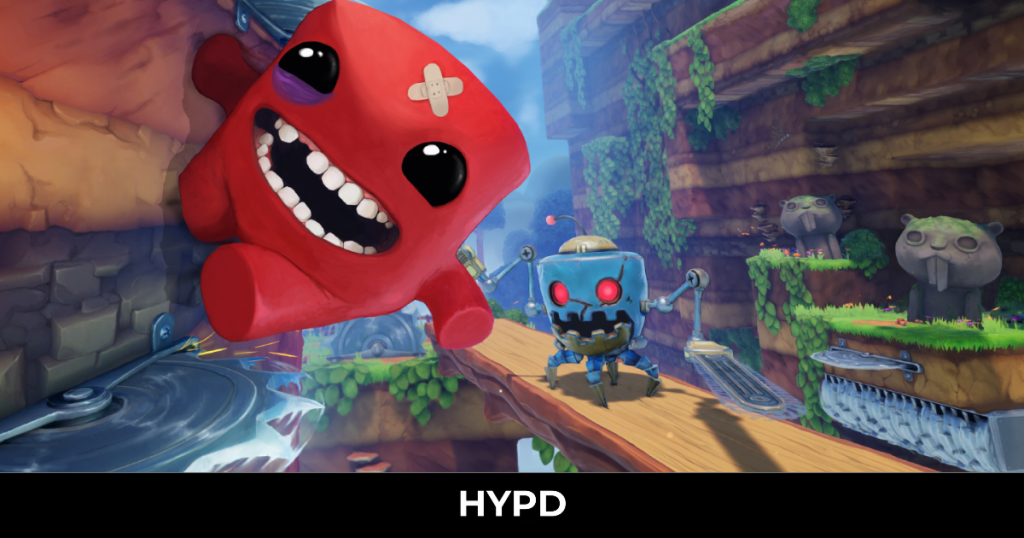
- Wall run past spinning blades
- Jump between moving platforms
- Dash through laser patterns
These elements often overlap. Therefore, levels feel intense and fast-paced.
Moreover, collectibles encourage replayability. Hidden items are placed in risky areas. Reaching them requires skill and precision.
The game also includes harder versions of levels. These offer an extra challenge for experienced players.
Visual Style: A Noticeable Change
The visual direction is very different from the original game. The gritty, hand-drawn style has been replaced with a cleaner 3D look.
This makes environments easier to read. It also supports the new mechanics. However, it comes at a cost.
The game lacks some of the personality that made the original stand out. While it looks modern, it feels less distinctive.
That said, familiar elements remain. Blood trails still mark your path, adding both style and helpful feedback.
Difficulty: A True Test of Skill
This is not a game for casual players. It is challenging from the start.
There are no difficulty settings. You must improve through practice. However, this is also what makes the game rewarding.
Each completed level feels earned. The sense of achievement is strong.
Failure is constant, yet meaningful. Every attempt helps you improve. Over time, difficult sections become manageable.
Controls and Performance
Controls are one of the game’s strongest features. Movement feels precise. Inputs are responsive.
This is crucial for a game built around timing and accuracy.
However, there are occasional frustrations. Camera positioning can obscure your view. Depth perception can also feel inconsistent.
These issues sometimes lead to unfair deaths. While not frequent, they are noticeable.
Boss Battles and Progression
Boss battles add variety to the gameplay. They often require pattern recognition and quick reactions.
This helps break up the rhythm of standard levels.
Progression is simple. Completing levels unlocks new areas. Collectibles and performance unlock extra content.
As a result, players always have something to work towards.
Comparing 2D and 3D
The game successfully retains its core identity. It is still fast, punishing, and rewarding.
However, the 3D perspective changes how the game feels. Some challenges feel less fair due to camera angles.
Additionally, the visual style does not stand out as much as before.
Despite this, the gameplay remains engaging.
Who Should Play It?
This game is ideal for players who enjoy a challenge.
It will appeal to:
- Hardcore platforming fans
- Players who enjoy mastering mechanics
- Those who like fast-paced gameplay
However, it may not suit everyone. Casual players may find it overwhelming.
Final Thoughts: A Bold Yet Challenging Evolution
This Super Meat Boy 3D Review highlights a game that takes real risks. The move to 3D is ambitious, and in many ways, it pays off.
The gameplay remains addictive, while the challenge is as strong as ever. However, the transition is not perfect. Camera issues and a less distinctive visual style hold it back slightly.
Even so, Super Meat Boy 3D proves that classic games can evolve. It introduces new ideas while staying true to its roots. Although it has flaws, the core experience remains fast, intense, and rewarding.
For players willing to invest the time, it offers a deeply satisfying challenge.