Marathon Review: Bungie’s Extraction Shooter
Marathon Review: Bungie’s Extraction Shooter explores a bold new direction from one of gaming’s most respected studios. Known for shaping the first-person shooter genre, Bungie has returned to Marathon, but not in the way many expected.
Rather than a remake, this is a complete reinvention. The game steps into the competitive world of extraction shooters. It blends fast-paced combat with high-stakes decision-making. As a result, it feels both familiar and refreshingly different.
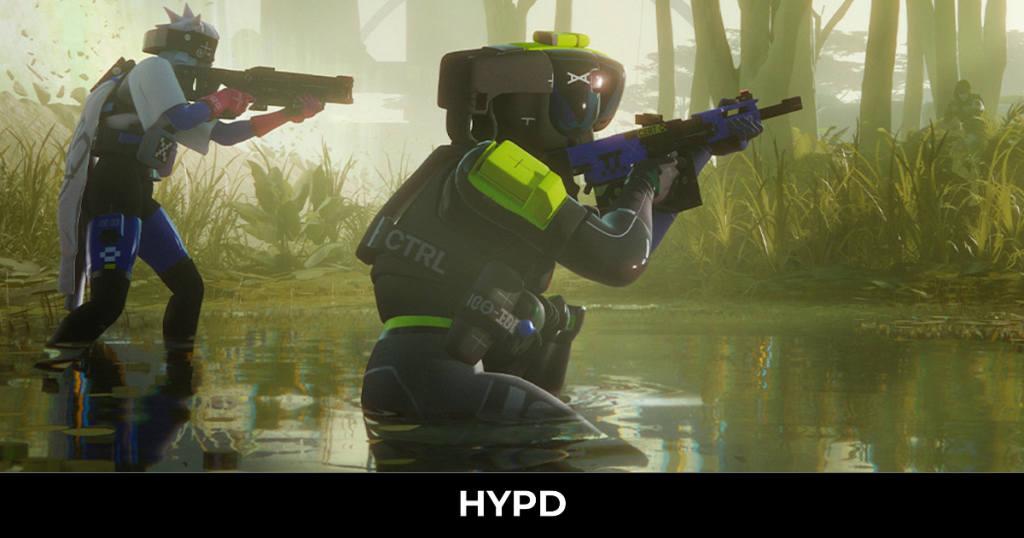
Set on the mysterious Tau Ceti IV, players take on the role of cybernetic mercenaries known as Runners. These characters use synthetic bodies to explore dangerous environments. Every mission carries risk. Every reward must be earned.
Gameplay Loop: Risk, Reward, Repeat
At its core, Marathon follows a simple but tense structure. Players drop into a map, search for loot, and attempt to extract safely. However, survival is never guaranteed.
Enemies appear in many forms. AI threats patrol the environment. Meanwhile, other players hunt for the same rewards. This creates constant pressure throughout each match.
Importantly, every decision matters. Should you push deeper for better loot? Or leave early to secure what you already have? These choices define the experience.
Because of this, the gameplay loop quickly becomes addictive. Each run feels meaningful. Even small victories feel rewarding.
Combat: Fast, Fluid, and Punishing
One of the strongest elements of Marathon is its combat system. Bungie’s expertise is clear from the first encounter.
Gunplay feels smooth and responsive. Weapons are satisfying to use. Every shot has impact. Consequently, firefights feel intense and engaging.
Unlike slower tactical shooters, Marathon moves quickly. Time-to-kill is short. Fights can end in seconds. Therefore, positioning and awareness are crucial.
Players must stay alert at all times. A single mistake can cost everything. However, this risk also makes victories more exciting.
Maps and Exploration: Designed for Tension
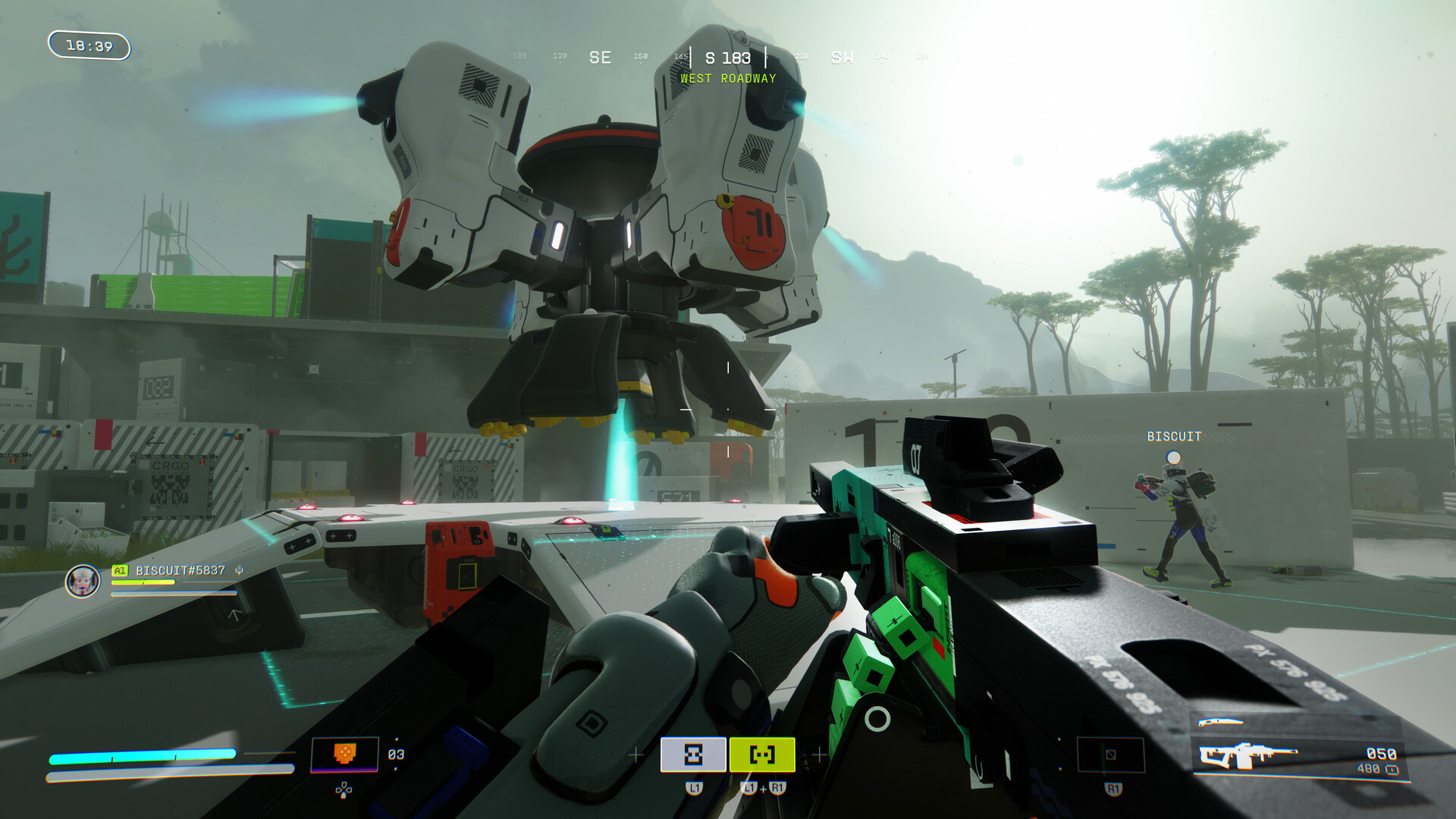
The maps in Marathon are carefully crafted to encourage interaction. Each environment offers multiple paths, vertical layers, and hidden routes.
This design keeps matches dynamic. Players rarely feel isolated. Instead, encounters happen naturally as paths cross.
Additionally, environmental storytelling adds depth. Abandoned structures and scattered details hint at a larger narrative. The world feels alive, even in its emptiness.
Some modes also introduce more complex challenges. These include puzzle elements and high-value loot areas. As a result, exploration remains engaging over time.
Visual Style and Atmosphere
Visually, Marathon stands out from other shooters. Rather than chasing realism, it embraces a bold sci-fi aesthetic.
Colours are vibrant. Designs are futuristic. Interfaces feel sleek but sometimes overwhelming.
This artistic approach gives the game a strong identity. It feels unique in a crowded market.
Moreover, the atmosphere is consistently tense. The sense of isolation on Tau Ceti IV is ever-present. Every location feels dangerous.
Storytelling: Subtle but Deep
Unlike traditional shooters, Marathon does not rely heavily on cutscenes. Instead, it tells its story through exploration and discovery.
Players uncover lore through logs, environments, and hidden details. This encourages curiosity. It rewards those who pay attention.
However, this approach may not suit everyone. Some players may prefer a more direct narrative.
Even so, the depth is there for those willing to look.
Accessibility and Learning Curve
Marathon attempts to balance accessibility with depth. In some ways, it succeeds. Systems are more streamlined than in similar games.
Inventory management is simpler. Objectives are clearer. This helps new players get started.
However, the game still demands time and patience. The learning curve can feel steep at first.
Menus and interfaces may also feel cluttered. Important information is not always easy to find. As a result, onboarding can be challenging.
Despite this, persistence pays off. Once systems become familiar, the experience improves significantly.
Multiplayer Experience: The Heart of the Game
Multiplayer is where Marathon truly shines. Every match feels unpredictable.
You may encounter cautious players avoiding conflict. Alternatively, aggressive squads may hunt you down. This variety keeps the game fresh.
The extraction system adds emotional weight. Escaping with valuable loot feels rewarding. Losing everything feels frustrating.
This balance creates tension. It keeps players invested. It encourages repeated play.
Strengths and Weaknesses
Strengths
First, the gunplay is excellent. It feels polished and satisfying.
Second, the art style is distinctive. It helps the game stand out.
Third, the gameplay loop is engaging. It encourages replayability.
Weaknesses
However, the interface can feel overwhelming.
Additionally, the learning curve may deter new players.
Finally, the niche genre may limit its broader appeal.
Longevity and Future Updates
As a live-service title, Marathon depends on ongoing support. New content will be essential.
Future updates could include maps, modes, and balance changes. Bungie’s track record suggests strong post-launch support.
Encouragingly, early adjustments show a willingness to listen to players. This is a positive sign for long-term success.
If supported well, Marathon could grow significantly over time.
Final Thoughts: A Risk Worth Taking
Marathon is not a casual experience. It demands focus, patience, and strategy. However, it rewards those who invest the time.
The game successfully blends fast-paced action with high-stakes gameplay. It offers something different within the shooter genre.
While it has flaws, its strengths outweigh them. The core experience is solid. The potential is clear.
Ultimately, Marathon is a bold step forward for Bungie. It may not appeal to everyone. Yet, for fans of competitive shooters, it is well worth exploring.