Gaming World News: Highlights from the Last 48 Hours
The gaming world never slows down. Over the last 48 hours, several major stories have captured attention across the industry. From chaotic superhero crossovers to potential TV spoilers and ambitious release schedules, there is plenty for players to unpack. More importantly, these updates reveal where gaming culture, storytelling, and technology are heading next.
In this edition of Gaming World News: Highlights from the Last 48 Hours, we explore three of the most talked-about developments. First, Deadpool is officially joining Marvel Rivals, and his rule-breaking style could redefine how the game is played. Next, a seemingly innocent collectible may have revealed a major Fallout Season 2 plot detail ahead of time. Finally, a sweeping look at the most exciting games of 2026 shows just how ambitious the next wave of releases is shaping up to be.
Together, these stories paint a clear picture. Gaming is becoming bolder, more interconnected, and more unpredictable than ever.
Gaming World News: Deadpool Joins Marvel Rivals
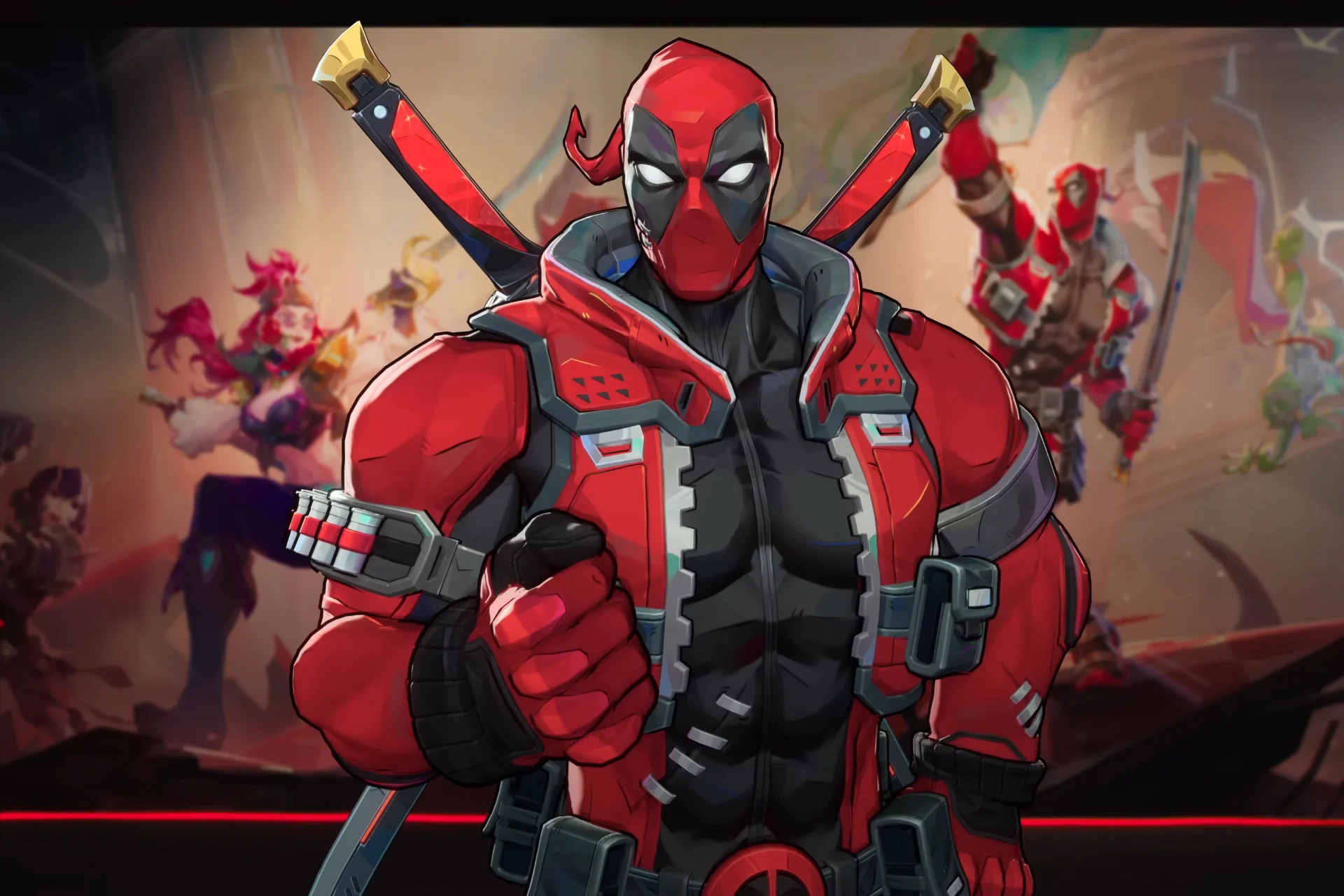
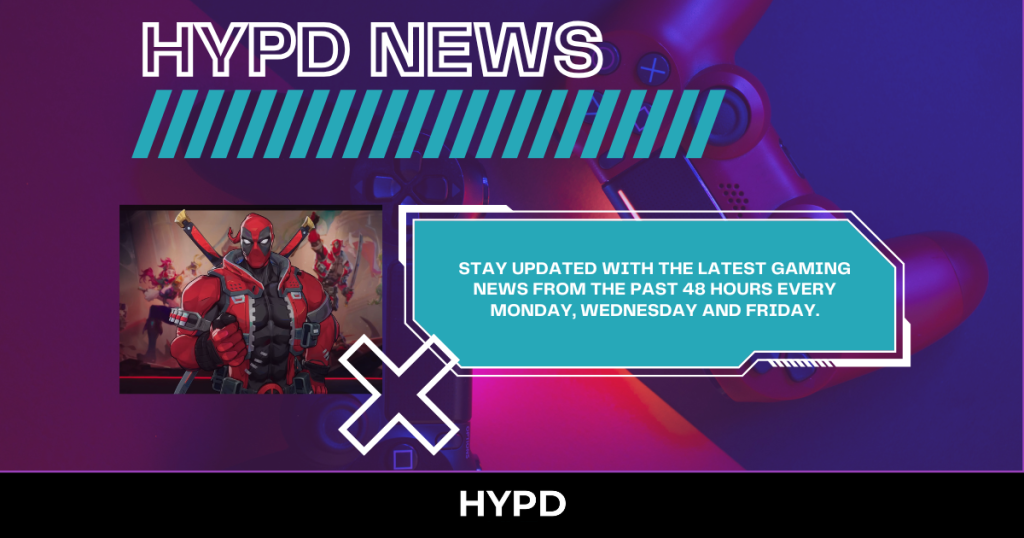
Deadpool’s arrival in Marvel Rivals later this week has instantly become one of the most discussed gaming moments of the month. Unlike traditional hero additions, this one feels genuinely disruptive. Deadpool is not just another character. He is a walking contradiction who thrives on breaking rules, mechanics, and expectations.
From early previews and developer hints, it is clear that Deadpool will not follow conventional hero shooter logic. Instead, his abilities lean heavily into unpredictability. He can reportedly interrupt enemy ultimates, override standard cooldown systems, and even manipulate in-match UI elements. In other words, he plays by his own rules.
That design choice makes perfect sense. Deadpool has always existed outside the fourth wall. Translating that into gameplay creates something rare: a character who feels narratively authentic while also mechanically distinct.
Why Deadpool Changes the Game
Most hero shooters rely on balance and predictability. Deadpool challenges that foundation. His kit appears designed to disrupt rigid team compositions and punish over-reliance on standard tactics. As a result, matches could become faster, messier, and far less scripted.
However, this raises important questions. Can a character this chaotic remain fair in competitive play? Developers suggest that Deadpool’s power comes at a cost. While he can bend rules, he may also expose himself to higher risk. That trade-off could keep matches balanced while still delivering the unpredictability players crave.
Moreover, Deadpool’s inclusion signals a broader creative direction for Marvel Rivals. The game is not content with being a standard hero shooter. Instead, it wants to stand apart through personality-driven mechanics and bold design decisions.
Community Reaction So Far
Unsurprisingly, the community response has been explosive. Social media clips, theory-crafted builds, and meme-heavy reactions have dominated gaming feeds. Some players are thrilled by the potential chaos. Others worry about balance issues.
Nevertheless, attention is attention. From an engagement standpoint, Deadpool’s arrival is already a success. It has pulled new eyes toward the game and reignited discussion among existing players. That momentum could be crucial as Marvel Rivals competes in an increasingly crowded multiplayer market.
Oops! Funko Pop May Have Spoiled Fallout Season 2
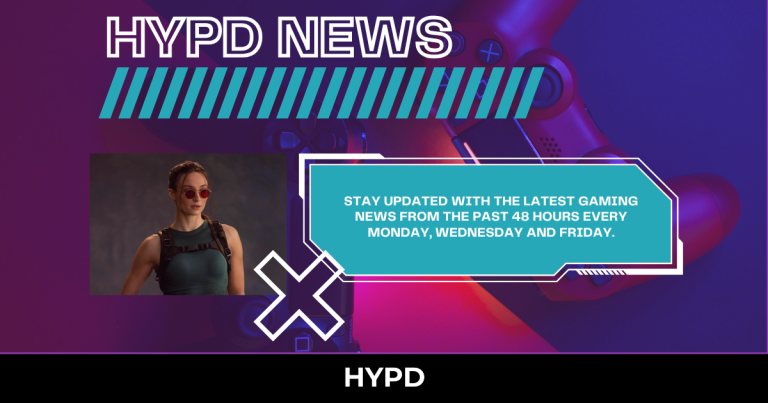
In a surprising twist, one of the biggest talking points in gaming and TV crossover culture did not come from a trailer or press release. Instead, it came from a collectible. A newly revealed Funko Pop figure may have accidentally spoiled a key plot element from Fallout Season 2.
Fans were quick to notice unusual details in the figure’s design. The outfit, accessories, and character pairing suggest narrative developments that were previously unconfirmed. While nothing is officially acknowledged, the implications are hard to ignore.
Why Merch Spoilers Matter More Than Ever
Merchandise spoilers are not new. However, in the age of hyper-analysis, even small details can reveal major narrative beats. Gaming and TV audiences are now trained to dissect every reveal. As a result, what once seemed harmless can quickly spiral into widespread speculation.
For Fallout fans, this potential spoiler has sparked intense debate. Some are excited by the hints. Others feel frustrated that a carefully crafted story moment may have been revealed too soon. Either way, the conversation has added fuel to anticipation for Season 2.
The Growing Link Between Games and TV
Fallout’s success as a TV adaptation highlights a larger trend. Game-to-screen projects are no longer niche experiments. They are mainstream entertainment events. That means merchandising, marketing, and narrative control must be tighter than ever.
Ironically, this slip-up also demonstrates Fallout’s cultural strength. People care enough to analyse a vinyl figure frame by frame. That level of engagement suggests Season 2 is already positioned for major impact.
Gaming World News: What’s Driving Excitement for the Year Ahead

Several factors make 2026 an especially exciting year for gaming. To begin with, long development cycles are finally reaching their conclusion. As a result, studios have had more time to refine mechanics, improve performance, and deliver more polished experiences.
At the same time, current-generation hardware is now fully embedded across the industry. Developers understand the technology far better than in earlier years. Consequently, games are beginning to push technical limits with greater confidence. Players can expect richer environments, more responsive AI, and deeper immersion across genres.
Player expectations have also shifted. Today’s audiences want meaningful choices, connected experiences, and consistent post-launch support. Many upcoming releases appear built around these evolving demands, rather than treating them as optional extras.
Trends Emerging From the 2026 Line-Up
Looking across upcoming releases, several clear trends are beginning to emerge. Story-driven experiences remain a major focus, particularly those that blend cinematic presentation with genuine player agency. Meanwhile, multiplayer titles are moving away from rigid class systems and embracing more flexible playstyles.
In addition, hybrid genres are becoming increasingly common. RPG-shooter combinations, survival-strategy blends, and narrative-led roguelikes are gaining momentum. This shift suggests developers are once again willing to experiment and challenge traditional genre boundaries.
Crucially, independent studios continue to stand out. Many of the most anticipated titles for 2026 are coming from smaller teams with bold creative visions. This balance between big-budget productions and inventive indie projects helps keep the gaming ecosystem diverse, competitive, and exciting.
What These Stories Tell Us About Gaming Right Now
When viewed together, these three stories reveal a lot about the current state of gaming. Creativity is being rewarded. Risks are being embraced. Players are actively shaping conversation and hype cycles.
Deadpool’s arrival in Marvel Rivals shows that personality-driven design can be just as important as technical polish. The Fallout Funko situation highlights how deeply invested audiences are in transmedia storytelling. Meanwhile, the anticipation surrounding 2026 demonstrates long-term confidence in the industry’s future.
Change is constant. However, momentum is clearly building.
Gaming World News Final Thoughts
The past 48 hours have delivered excitement, controversy, and anticipation in equal measure. Whether you are preparing to jump into chaotic multiplayer matches, speculating about post-apocalyptic TV twists, or planning your gaming calendar years ahead, there is something to look forward to.
Gaming continues to evolve at a rapid pace. Stories like these remind us why it remains one of the most dynamic entertainment industries in the world. And if the current momentum is any indication, the months ahead will only get more interesting.