Gaming World News: Highlights from the Last 48 Hours
The gaming world has been moving fast over the last 48 hours. Across consoles, studios, and communities, big shifts are unfolding in real time. In Gaming World News, these moments matter because they reveal where the industry is heading next.
Major studios have spoken out. At the same time, sales figures have surprised everyone. Meanwhile, long-running franchises have been forced to reassure their players.
Together, these developments paint a clear picture of an industry in transition. More importantly, they show how creativity, trust, and strategy are being redefined.
From missed hardware opportunities to record-breaking cross-platform success, Gaming World News: Highlights from the last 48 hours covers everything you need to know — right now.
Baldur’s Gate 3 and the Switch 2 Opportunity That Slipped Away
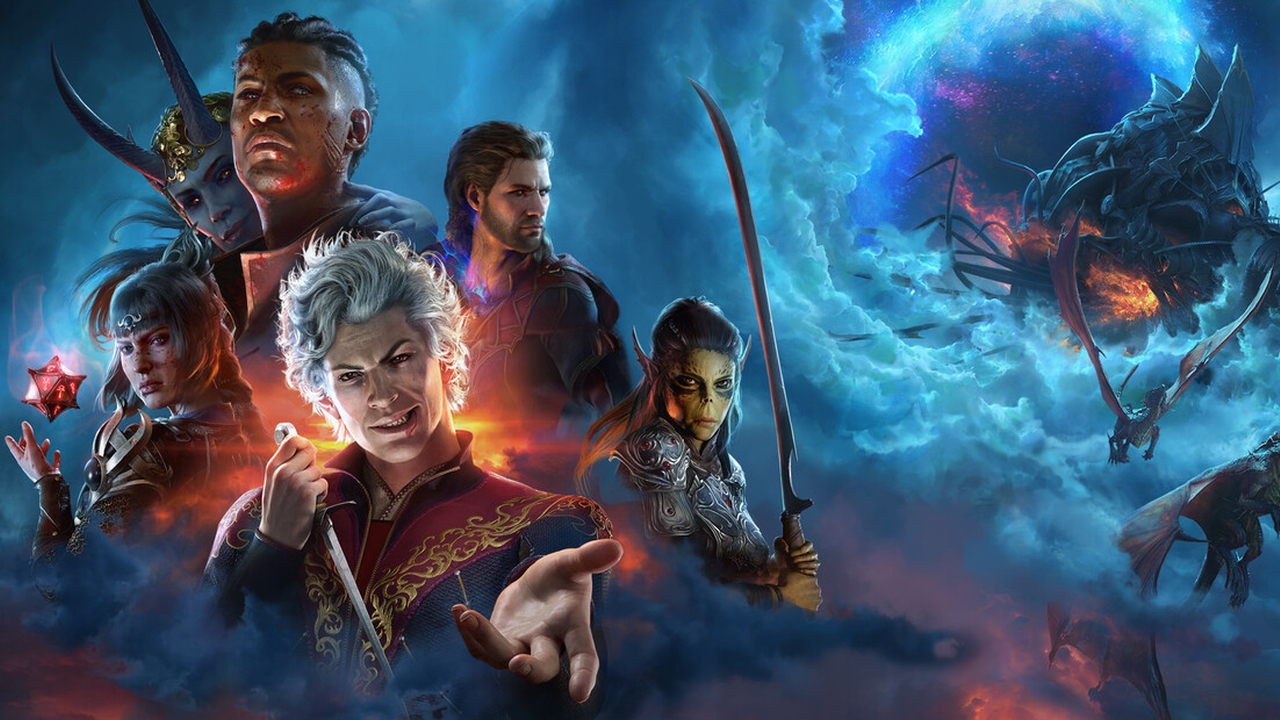
Few modern RPGs have made an impact like Baldur’s Gate 3. Since launch, it has dominated conversations around player choice, storytelling, and depth.
Naturally, many expected the game to land on Nintendo’s upcoming Switch 2. However, that plan never materialised.
According to comments from Larian Studios, the team actively wanted a Switch 2 release. Despite that interest, the decision ultimately sat outside the studio’s control.
That distinction matters.
Although developers may push for broader accessibility, platform holders still hold the keys.
In addition, complex RPGs like Baldur’s Gate 3 present serious technical challenges on hybrid hardware.
Even so, player demand remains clear. Gamers want premium experiences on portable systems. Consequently, the absence feels noticeable rather than surprising.
For now, this remains a missed opportunity. Nevertheless, it highlights how platform strategy continues to shape what players can access — and where.
Gaming World News: Why Smaller Teams Could Define the Future of Game Design
While hardware conversations continue, development philosophy is also shifting.
A former director from the Assassin’s Creed series recently claimed that the future of game design lies in smaller teams.
At first glance, that may sound counter-intuitive.
After all, blockbuster games often involve hundreds of developers. Yet, according to the director, scale can sometimes hinder creativity rather than enhance it.
Smaller teams make decisions faster. More importantly, they allow creative vision to remain focused. As a result, innovation becomes easier to sustain.
In recent years, this trend has already proven successful. Many critically acclaimed titles emerged from compact, tightly aligned teams rather than massive studios.
That does not mean AAA games are disappearing. Instead, it suggests a structural rethink.
Larger publishers may increasingly rely on agile internal teams. Meanwhile, mid-sized studios could gain greater prominence across the industry.
Ultimately, creativity thrives when fewer voices compete for approval.
The Sims Addresses Player Concerns Following EA Sale Talk
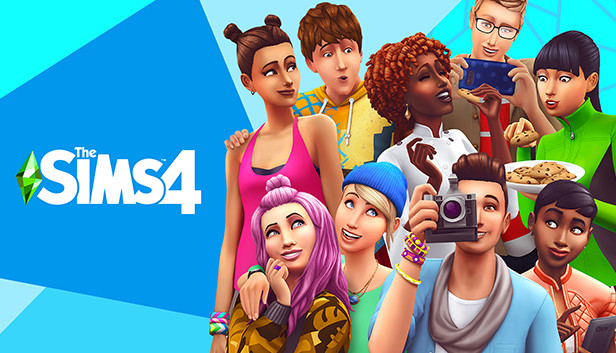
Community trust remains one of gaming’s most valuable currencies. Few franchises understand this better than The Sims.
Following renewed discussion around corporate sales involving Electronic Arts, players voiced concerns about the future direction of the series.
In response, The Sims team issued a clear message. According to the developers, the franchise’s values remain unchanged.
That reassurance carries weight.
Historically, The Sims has stood for creativity, inclusivity, and personal expression. Because of that legacy, any suggestion of change naturally unsettles its community.
By addressing concerns early, the team avoided speculation spiralling further. Moreover, transparency helps preserve long-term trust.
That said, words alone will not be enough.
Ongoing updates, content choices, and communication will determine whether those values truly remain intact. For now, however, the response has steadied the conversation.
Gaming World News: Forza Horizon 5’s PS5 Success Changes the Conversation

Sales figures often tell the real story. In this case, they speak loudly.
Since launching on PlayStation 5, Forza Horizon 5 has surpassed five million units sold on Sony’s platform alone.
That success translated into roughly $300 million in additional revenue for Xbox.
Few expected numbers on this scale.
Traditionally, Forza has been closely associated with Xbox. Therefore, its PlayStation performance represents a significant strategic shift.
Rather than protecting exclusivity, Microsoft prioritised expansion. As a result, the franchise reached a wider audience than ever before.
For players, this approach is a clear win. More platforms mean more access. Likewise, larger communities keep games alive for longer.
For the industry, however, the implications are even bigger.
Platform boundaries are becoming increasingly flexible. Consequently, future releases may follow a similar path.
Why the Coming Year Looks Transformational
Looking ahead, these trends are unlikely to fade.
More cross-platform launches feel inevitable. At the same time, smaller teams will continue gaining recognition. Additionally, transparency will remain non-negotiable for major franchises.
Above all, creativity appears to be reclaiming centre stage.
As development models evolve, risk-taking may once again become the norm. If that happens, players stand to benefit the most.
Based on the last 48 hours alone, the direction is clear. Gaming’s next chapter is already being written.
Gaming World News Final Thoughts
Gaming rarely pauses. Instead, it adapts constantly.
Over the past two days, we’ve seen ambition tested, strategy rewarded, and trust defended. Each headline adds another piece to the wider picture.
Whether you follow RPGs, racing games, or industry trends, one thing is certain. This moment matters.
And judging by the pace of change, we’re only getting started.