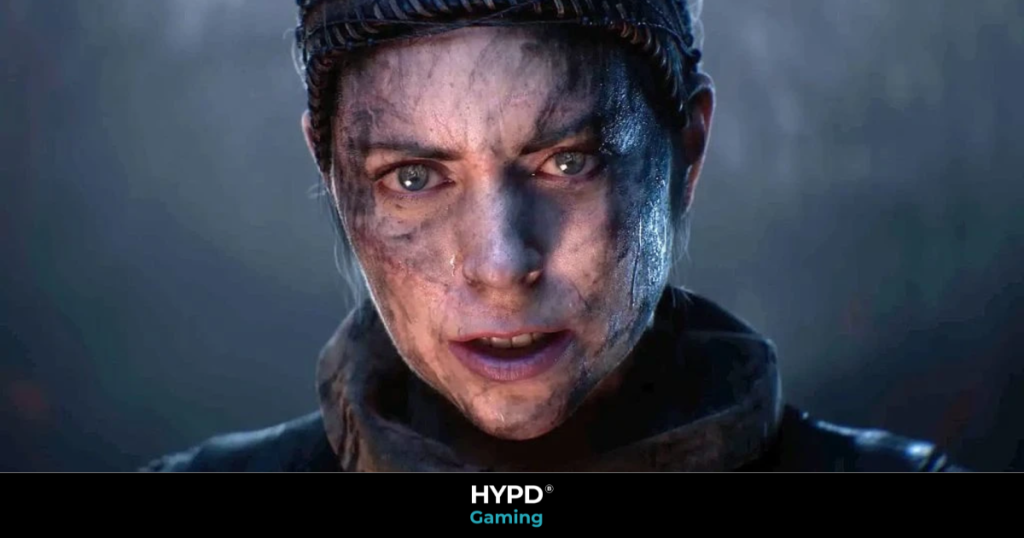
Senua’s Saga: Hellblade II the Review
When Hellblade: Senua’s Sacrifice dropped back in 2017, it flipped expectations on their head. A smaller, independent team at Ninja Theory delivered one of the most powerful and haunting gaming experiences ever made. Now, after years of anticipation, the sequel has finally landed. Welcome to Senua’s Saga: Hellblade II the Review—a deep dive into one of 2025’s most striking releases.
This isn’t just another action-adventure title. It’s a journey into darkness, mythology, and the fragile yet unbreakable human spirit. Strap in, because this game doesn’t hold back.
First Impressions: A World That Consumes You
Booting up Senua’s Saga: Hellblade II, the first thing that slams into you is its staggering visual fidelity. From windswept Icelandic cliffs to claustrophobic caves dripping with atmosphere, the game feels cinematic from the get-go. Ninja Theory promised immersion, and boy, they delivered.
The use of Unreal Engine 5 is jaw-dropping. Every texture, every gust of wind, every flicker of firelight pulls you deeper into Senua’s tormented reality. This isn’t just graphics flexing—it’s world-building at its finest.
And let’s not forget the audio. Just like the first game, binaural sound design plays a huge role here. Voices whisper in your ears, sometimes soothing, often threatening. Headphones aren’t optional—they’re mandatory.
Storytelling: A Journey Through Trauma and Myth
The narrative continues to explore Senua’s struggles with psychosis, blending psychological depth with Norse-inspired myth and folklore. The story picks up with Senua now stronger, more self-aware, but still very much haunted.
This time, though, it isn’t only her personal demons she’s facing. The sequel expands the scope, weaving in tales of giants, spirits, and ancient gods. Yet it never loses that intimate, personal perspective. The balance between the mythic and the human is razor sharp.
Every scene drips with emotional intensity. Some moments are brutally raw—others feel strangely beautiful. One minute you’re trembling in fear, the next you’re soaking in wonder.
Gameplay: Brutal, Intense, and Relentless
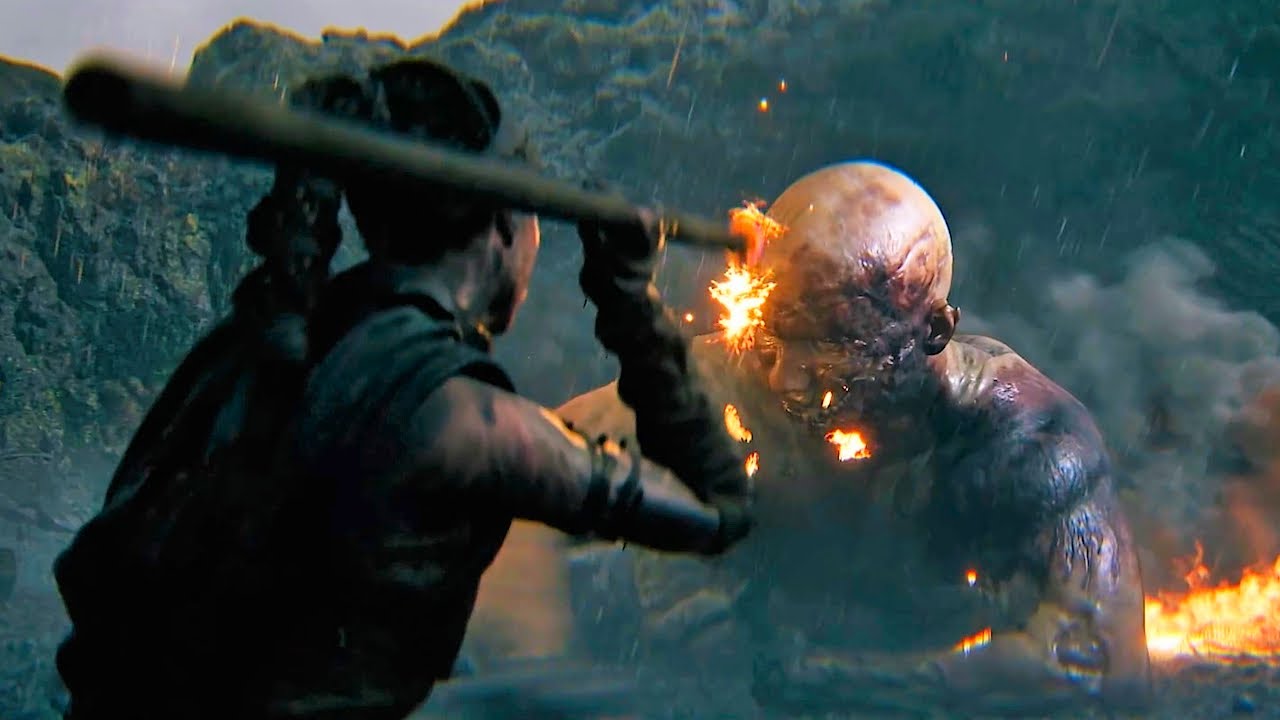
Combat has seen a major evolution. Where the original kept battles simple but effective, Hellblade II dials up the intensity. Senua now faces larger groups of enemies, but every fight still feels personal.
Sword swings are slower, heavier, and more deliberate. Blocking and dodging require precision. Battles are brutal—victory feels earned, not handed out. You’ll often find yourself gritting your teeth, locked in duels that feel like life or death struggles.
But combat isn’t everything. Puzzles return, seamlessly blended into the world. Perspective-based challenges encourage you to see things differently, literally and metaphorically. Exploration is slower, more deliberate. This isn’t an open world; it’s a crafted path where every step matters.
Themes: Darkness, Resilience, and Hope
At its core, Senua’s Saga: Hellblade II isn’t just about battling external foes. It’s about resilience. About how trauma shapes us, and how we keep moving forward.
The game tackles psychosis with respect and authenticity, informed by expert collaboration just like its predecessor. It never sensationalises mental health; instead, it places you inside Senua’s experience. You don’t just watch her journey—you live it.
This emotional honesty makes the quieter moments stand out. A glance, a whisper, a flicker of light—sometimes these moments hit harder than any battle.
Visuals and Cinematic Style
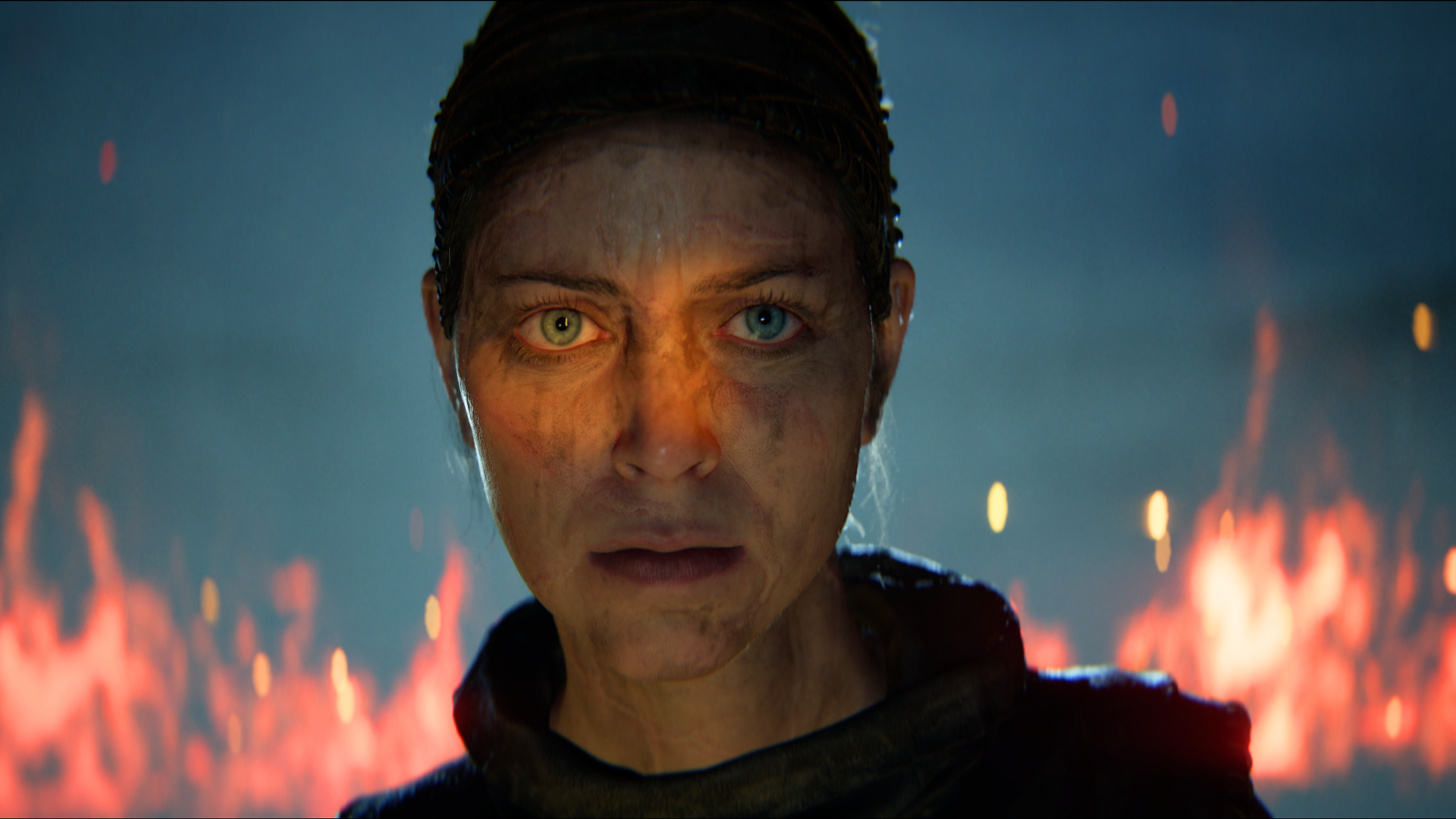
Let’s talk more about the visuals, because they deserve it. Ninja Theory approached Hellblade II almost like a film production. Real actors, motion capture, and cutting-edge tech all collide to create lifelike performances.
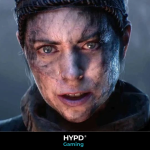
Melina Juergens, returning as Senua, delivers another staggering performance. Her facial expressions alone tell entire stories. Every tremble, every scream, every whisper—raw, human emotion radiates off the screen.
The camera work is equally cinematic. Often locked close to Senua, it creates tension, intimacy, and vulnerability. When wide shots arrive, they deliver breathtaking scale. It’s a masterclass in visual storytelling.
Who Should Play It?
If you loved the first game, this is a no-brainer. But even newcomers can jump in, thanks to its standalone storytelling.
Fans of story-driven games like The Last of Us Part II or God of War Ragnarök will find plenty to love here. If you crave emotional narratives, tense combat, and immersive worlds, Senua’s Saga: Hellblade II belongs in your library.
Criticisms: Where It Stumbles
No game is perfect, and Hellblade II has its faults. Some players may find the slow pacing off-putting. Combat, while intense, can feel repetitive after long stretches. And the game’s linear design may frustrate those who expect open-world freedom.
Yet, these criticisms feel minor compared to what the game achieves. The focus is deliberate. It’s not trying to be everything—it’s trying to be unforgettable.
Final Thoughts on Senua’s Saga: Hellblade II
So, where does Senua’s Saga: Hellblade II land in 2025’s gaming landscape? Quite simply—it’s a triumph. It’s not the longest, nor the flashiest, but it’s one of the most affecting experiences you’ll find this year.
Ninja Theory has delivered a bold sequel that builds upon the original in every way. It’s darker, bigger in scope, yet still deeply intimate. The story lingers long after the credits roll.
If the first Hellblade was about surviving inner darkness, the sequel is about confronting it—and finding the strength to rise again.