Onimusha: Way of the Sword Review – A Killer Comeback
After two decades without a new mainline entry, Onimusha is finally back. More importantly, Capcom has resisted the temptation to simply follow the crowd.
Onimusha: Way of the Sword brings the cult samurai series into the modern era with brutal sword combat, supernatural enemies and a fresh interpretation of legendary swordsman Miyamoto Musashi. Rather than transforming Onimusha into another Soulslike, Capcom has built an action game with its own rhythm and identity.
The result is a confident revival. It occasionally stumbles when modern open-zone design gets in the way, but when the swords come out, Onimusha is at its best.
A New Beginning for Onimusha
Onimusha: Way of the Sword effectively acts as a fresh starting point for the franchise. That makes it accessible to players who never experienced the original PlayStation 2 games.
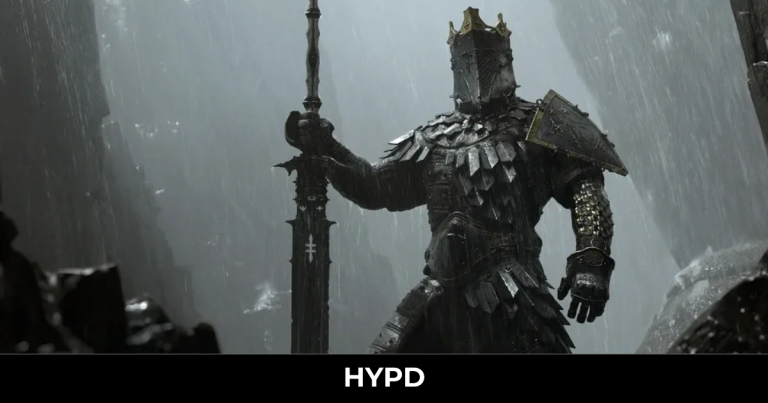
The adventure takes players to a supernatural version of Kyoto during Japan’s Edo period. Musashi becomes involved in a battle against the Genma, monstrous creatures that have long been central to the Onimusha series.
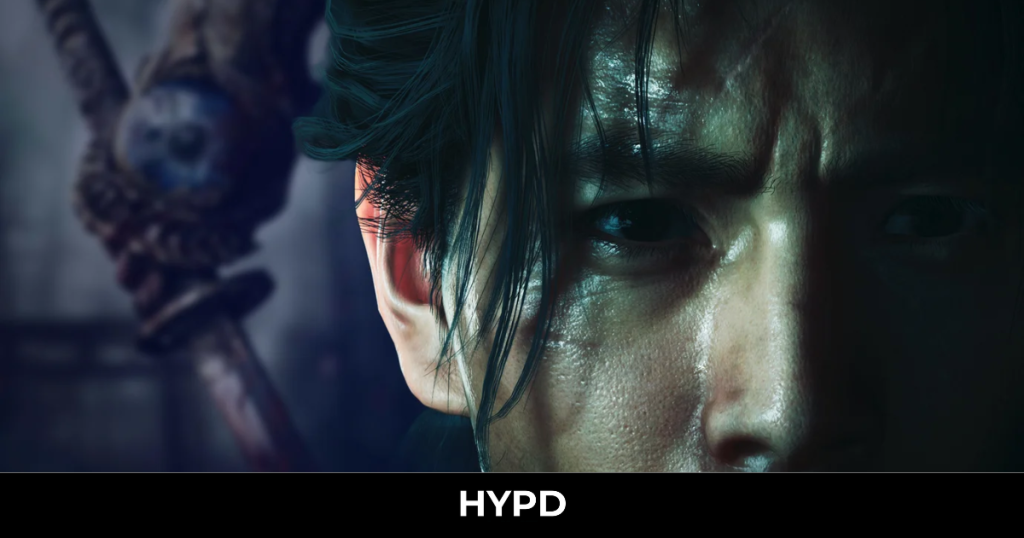
Capcom has also given Musashi the likeness of legendary Japanese actor Toshiro Mifune. It is a fitting choice for a game so heavily influenced by samurai cinema.
However, this isn’t a completely serious historical drama. Onimusha still embraces monsters, supernatural powers and exaggerated action. That combination gives the game a personality distinct from more grounded samurai adventures.
Sword Combat Steals the Show
Combat is easily the strongest part of our Onimusha: Way of the Sword review.
Musashi’s swordplay revolves around timing, positioning and reading enemy attacks. Players can block, dodge and deflect incoming strikes before creating opportunities to counter.
The returning Issen technique is particularly satisfying. Perfect timing allows Musashi to deliver a devastating counterattack, turning dangerous encounters into opportunities for spectacular kills.
Yet this isn’t simply about waiting for a parry prompt.
Different defensive options encourage players to respond dynamically. Enemies have varied attack patterns, while encounters become increasingly demanding as new threats appear.
Musashi also has access to additional weapons and supernatural abilities. His Oni Gauntlet plays a major role, allowing him to absorb coloured souls dropped during combat. These can restore health, replenish abilities or contribute towards progression.
Once everything clicks, fights become fast, aggressive and incredibly satisfying.
Boss Battles Deliver Some Serious Highlights
The boss encounters are another major strength.
Rather than relying purely on huge health bars, the strongest battles test how well players understand Onimusha’s combat systems. Deflection timing, movement and recognising attack patterns become essential.
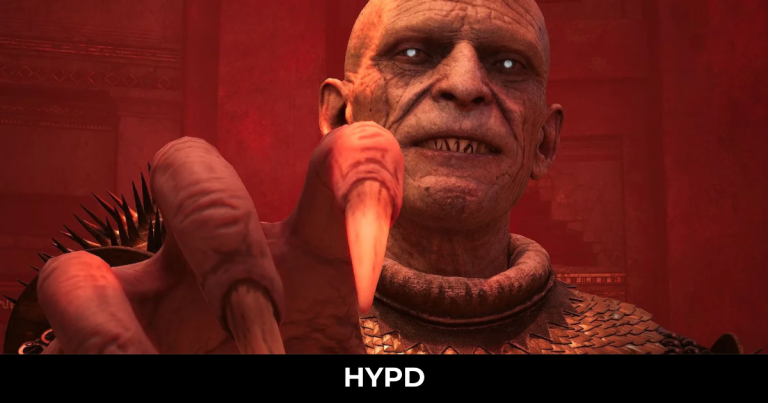
Boss fights can also become visually spectacular. Capcom isn’t afraid to push encounters towards cinematic excess while maintaining player control.
There are plenty of them, too.
Unfortunately, some encounters are repeated. This takes away some of their impact, especially when the first confrontation was memorable. Nevertheless, the best battles rank among Way of the Sword’s standout moments.
Kyoto Looks Fantastic, But Exploration Can Drag
Capcom’s RE Engine once again produces impressive results.
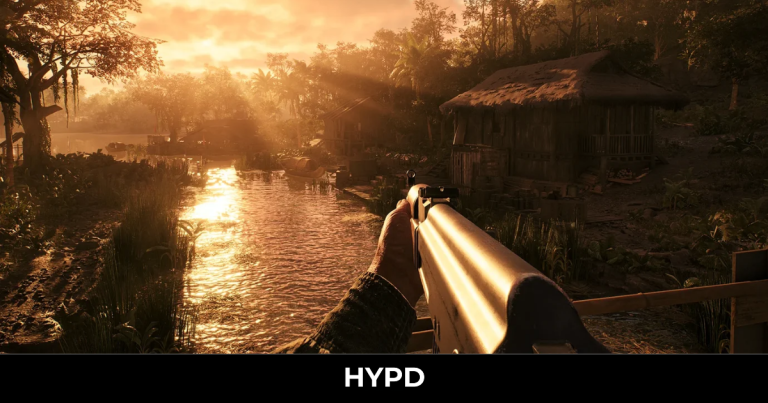
Character models are highly detailed, animations give attacks convincing weight and the supernatural interpretation of Kyoto provides some striking environments. The presentation helps bridge the gap between historical drama and demonic fantasy.
However, exploration isn’t always as polished as the combat.
Way of the Sword introduces broader areas and optional activities, but some content feels included simply because modern action games are expected to have it. Collecting materials and completing certain side activities can slow the pace.
Upgrade materials are particularly noticeable. Improving equipment may require resources gathered throughout the world, occasionally turning progression into unnecessary busywork.
It doesn’t ruin the experience. Still, the tighter sections often feel more naturally suited to Onimusha.
A Samurai Game That Doesn’t Want to Be a Soulslike
Perhaps the smartest decision Capcom made was allowing Onimusha to remain Onimusha.
Modern sword-based action games inevitably face comparisons with Sekiro, Nioh and the wider Soulslike genre. Way of the Sword certainly shares some ideas with those games, particularly its focus on timing and defensive precision.
However, its overall identity is different.
This is a more direct action adventure. Combat can be challenging without making punishment the central philosophy of the experience.
That distinction matters.
After twenty years away, chasing current trends could easily have stripped Onimusha of its identity. Instead, Capcom has modernised the foundations while keeping the series recognisable.
HYPD Verdict
Onimusha: Way of the Sword is a seriously impressive return for one of Capcom’s most missed franchises.
Its biggest victory is the combat. Sword fights have weight, precision and enough mechanical depth to keep encounters engaging throughout the adventure. Excellent boss battles push those mechanics even further.
There are weaknesses. Repeated encounters, resource gathering and some less compelling exploration prevent the experience from maintaining its strongest momentum throughout.
Even so, the core experience delivers.
For returning fans, this feels like Onimusha brought convincingly into 2026. For newcomers, it provides an accessible entry point that doesn’t require knowledge of games released two decades ago.
Most importantly, Way of the Sword proves Onimusha still has a place in modern gaming.
HYPD Score: 8.5/10
Pros: Superb sword combat, excellent boss battles, impressive visuals and a strong modernisation of the Onimusha formula.
Cons: Repeated encounters, occasional pacing issues and some unnecessary resource grinding.