Control Resonant Review: Paranormal Chaos Returns
Remedy Entertainment has built a reputation for games that refuse to play by conventional rules. Control Resonant continues that tradition, taking the paranormal foundations of 2019’s Control and dramatically expanding their scale.
This time, players leave the shifting corridors of the Oldest House behind. The action moves into a warped Manhattan where reality itself appears to be breaking apart. Jesse Faden also steps aside as protagonist, with her brother Dylan taking centre stage.
Those are some substantial changes. However, Control Resonant still feels unmistakably like a Remedy game.
Strange, atmospheric and packed with supernatural chaos, this sequel takes some serious risks with the original formula. Most importantly, it gives returning players something genuinely different to discover.
Dylan Faden Takes Control
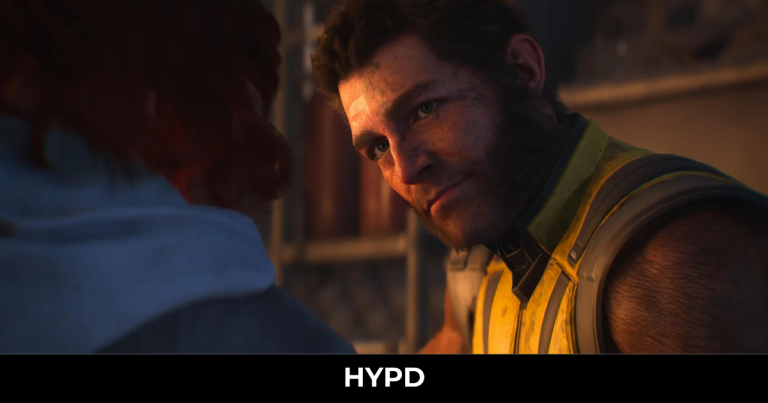
Seven years after the events of the original game, Dylan Faden awakens from his coma to discover that things have gone seriously wrong.
Jesse has disappeared, the Hiss threat has escaped beyond the Oldest House, and Manhattan has become caught in a paranatural nightmare. Dylan must venture into the city to find his sister while attempting to understand what has happened.
Switching protagonists is a bold move.
Jesse became central to the identity of Control, but Dylan brings a different perspective to Remedy’s increasingly interconnected universe. His relationship with Jesse provides the story with an emotional anchor while allowing the sequel to explore their shared past from another angle.
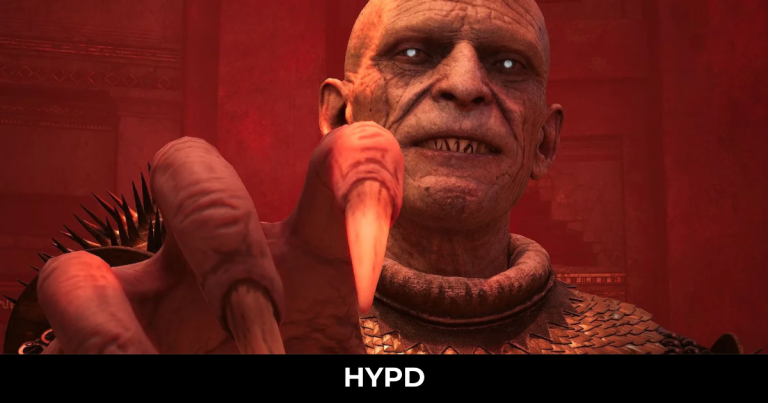
As expected, Remedy’s trademark storytelling remains everywhere. Documents, environmental details, strange characters and surreal sequences gradually reveal more about what is happening.
There is plenty here for lore hunters.
Manhattan Becomes a Paranatural Playground
Moving beyond the Oldest House gives Remedy considerably more room to experiment.
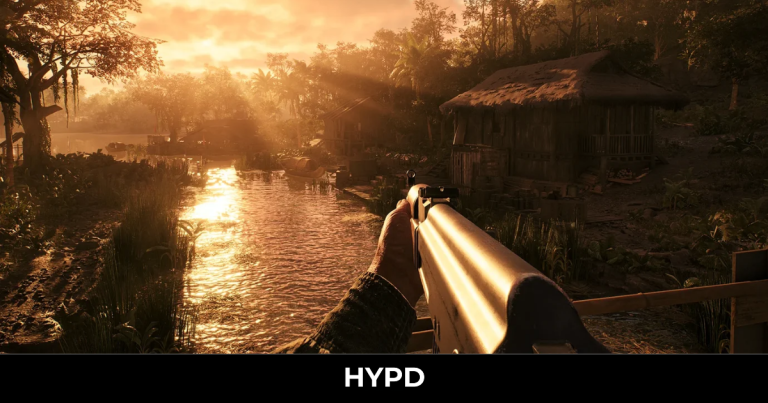
Manhattan has been transformed by supernatural forces, creating environments where buildings, objects and even gravity can behave unpredictably. Areas twist into impossible shapes, while familiar urban spaces become something much stranger.
The result is a world that constantly encourages exploration.
Traversal has also been expanded. Dylan gradually gains movement abilities that allow players to reach previously inaccessible locations and approach the environment differently. This creates a stronger sense of progression as Manhattan begins opening up.
It is bigger than the original Control, but size alone isn’t the selling point. Remedy’s surreal art direction remains the real star.
Combat Gets a Major Overhaul
The biggest gameplay change comes from combat.
While Jesse relied heavily on the Service Weapon, Dylan is a much more melee-focused fighter. His primary weapon, the Aberrant, can transform into different forms suited to different situations.
Combine that with Dylan’s supernatural powers and Control Resonant starts offering plenty of opportunities to experiment.
Combat can become wonderfully chaotic. Players can move aggressively between enemies, combine attacks with powers and develop different builds as new abilities become available.
However, the combat has not escaped criticism.
Early reviews highlighted enemies with large health pools, which could make some encounters feel drawn out. Remedy subsequently released a launch-day hotfix that reduced enemy health and Falter thresholds while increasing Dylan’s effectiveness in combat.
That update is worth noting because it directly addresses one of the biggest complaints raised during the review period.
Remedy’s Weirdness Remains Intact
Despite all the mechanical changes, the most important question is simple: does it still feel like Control?
Thankfully, yes.
Remedy continues to combine paranormal horror, science fiction and bizarre humour in a way few other studios attempt. Ordinary bureaucracy exists alongside impossible supernatural events, and the contrast remains one of the series’ biggest strengths.
There are also plenty of side activities and optional discoveries away from the main storyline. These provide opportunities to explore Manhattan while digging further into the game’s characters and strange phenomena.
Some encounters can become repetitive over longer sessions, and the expanded structure may not appeal to everyone who preferred the tighter design of the Oldest House. Critics have differed particularly on whether the larger Manhattan setting improves or dilutes the original game’s distinctive atmosphere.
Still, when Remedy fully embraces the surreal, Control Resonant delivers moments few other games could produce.
Control Resonant Review: Pros and Cons
Pros
- Incredible surreal art direction
- Manhattan provides considerably more freedom to explore
- Fast, aggressive melee-focused combat
- Excellent supernatural traversal abilities
- Plenty of secrets and optional content
- Classic Remedy weirdness throughout
Cons
- Some encounters can become repetitive
- Combat takes time to fully open up
- The larger setting may feel less focused than the Oldest House
- Some players may miss Jesse’s gun-focused combat
HYPD Score: 8.5/10
Verdict
Control Resonant takes some big risks rather than simply recreating what worked in 2019.
Dylan is a very different protagonist, Manhattan dramatically increases the scale and the switch towards melee combat changes how almost every encounter plays.
Not every experiment lands perfectly. However, Remedy’s confidence in building strange, unpredictable worlds remains difficult to match.
For fans of the original, this is a bigger and bolder return to the paranormal universe of Control. Just don’t expect another trip through the Oldest House.