

Meet Evan: The Teen VR Prodigy
Gaming stories like this don’t come around often. And when they do, they hit hard.
At an age when most teenagers are juggling schoolwork, revision timetables, and weekend plans, 15-year-old Evan is building virtual reality games played by hundreds of thousands of people across the world. Not hypothetically. Not “one day”. Right now.
In under a year, Evan has gone from pure curiosity to becoming one of the most exciting young talents in VR game development. His games have achieved nearly one million total downloads, generated over $500,000 in revenue on Meta, and positioned him firmly on the radar of the global VR community.
And the wildest part? He’s only just getting started.
This is the story of how curiosity turned into creation, how a teenage developer cracked the VR market, and why Evan’s journey matters to the future of gaming.
From Curiosity to Creation: How Evan Found VR Development

Every great game begins with curiosity. Evan’s story is no different.
Rather than following a carefully mapped career plan, his journey into VR development started with a simple spark.
“I got into VR development when I saw people making their own games,” Evan explains. “It looked really fun to make my own thing to mess around in and enjoy.”
That moment changed everything.
Using Unity as his development engine, Evan began experimenting with mechanics, environments, and ideas. He wasn’t chasing downloads or revenue at first. Instead, he was learning how virtual worlds come together. Trial and error became his classroom.
Importantly, this is what makes Evan’s rise so compelling. Instead of waiting for permission, he ignored the idea of being “ready”. Rather than hesitating, he simply started building.
And in the VR space, that mindset can be everything.
Breakout Success in Virtual Reality
Talent is one thing. Momentum is another.
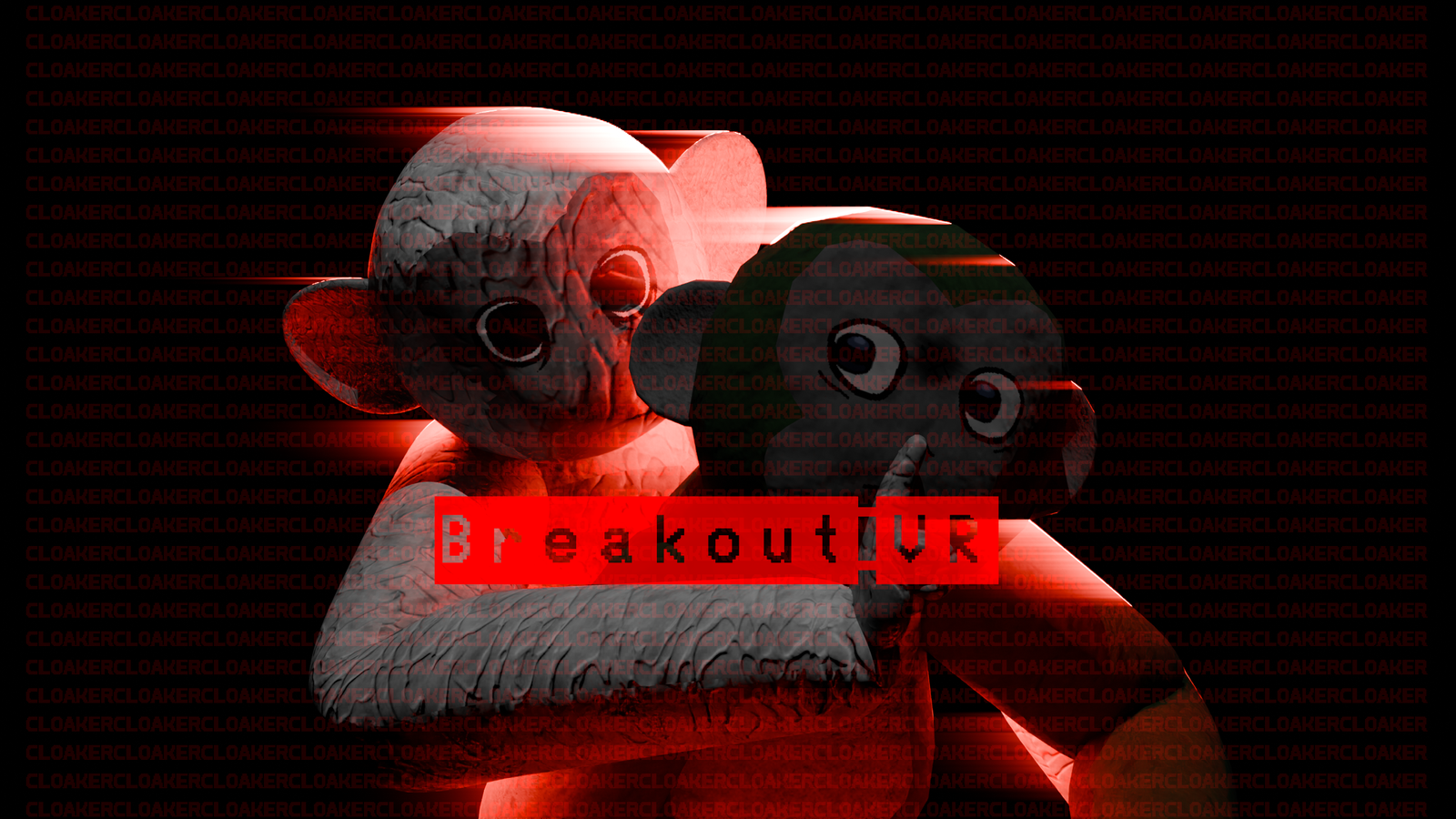
Evan’s first major breakthrough arrived with Breakout VR, released in December 2024. What followed surprised even seasoned industry watchers.
The game quickly gained traction, spreading organically across the Meta platform. Before long, it had surpassed half a million downloads.
For a teenage solo developer, this was extraordinary.
Breakout VR proved two critical things. First, Evan understood what VR players wanted: immersive mechanics, intuitive controls, and experiences that felt made for virtual reality. Second, it showed that age is no barrier when creativity and execution align.
Momentum didn’t slow down. It accelerated.
Chemp Physics: A Smart VR Follow-Up with Real Traction
Evan kept his momentum going with Chemp Physics, released in March 2025. This VR title took around eight months to develop, including its demo, and it shows in the way it blends learning with hands-on virtual interaction.
While Chemp Physics is a more niche, education-leaning experience, it still pulled in around 50,000 downloads. That’s a solid result for a game designed to engage players in a different way than a straight-up arcade hit.
More importantly, Chemp Physics proved Evan isn’t a one-game wonder. It showed range, ambition, and the confidence to try something new. Taken alongside his other releases, Evan has now reached close to one million total downloads across all of his games historically, putting him firmly on the map as a rising talent in VR development.
Nearly One Million Downloads Before 16
Let that sink in for a moment.
Before turning 16, Evan had:
-
Built multiple VR games from scratch
-
Reached hundreds of thousands of players globally
-
Achieved nearly one million total downloads
-
Generated over $500,000 in revenue on Meta
These aren’t projections. They’re real numbers.
In an industry where many developers grind for years before seeing meaningful traction, Evan’s trajectory is remarkable. Yet he remains grounded, focused on improving his craft rather than celebrating prematurely.
And that mindset is about to pay off again.
Highly Anticipated Launch: Stupid Chimp Slop

Next up is Evan’s most ambitious project yet.
Stupid Chimp Slop officially launches on 19th December, and anticipation is already building across the VR community.
Described as a funny but genuinely terrifying multiplayer survival horror, the game is designed to be experienced with friends. It blends chaotic humour with intense horror, creating moments where laughter can turn into panic in seconds.
This isn’t horror for shock value alone. It’s social. It’s unpredictable. And it’s built specifically for VR.
Players must cooperate under pressure, navigate tense environments, and react to unexpected scares together. The result is shared chaos—exactly the kind of experience VR excels at when done right.
With Stupid Chimp Slop, Evan is pushing his creative boundaries. He’s balancing comedy and fear, designing for multiplayer interaction, and leaning into the emotional intensity that makes VR unforgettable.
For many developers, this would be a career-defining release. For Evan, it’s another step forward.
Looking Ahead: What’s Next For Evan?
Despite his age, Evan’s roadmap reads like that of an established studio.
Over the next 12 months, he has:
-
Three new VR titles planned for release
-
Clear plans to expand beyond Meta, including future releases on Steam
-
Long-term ambitions to build one of the most recognised indie VR game studios in the world
This isn’t about chasing quick wins. It’s about building something that lasts.
Expanding to Steam opens the door to a broader audience and deeper engagement with the PC VR community. It also signals Evan’s intent to compete on a global stage, not just within one ecosystem.
The foundation is already there. Now it’s about scale.
The Future Of Indie VR is Already Here
If Evan’s achievements so far are anything to go by, the future of indie VR development is already taking shape.
One curious idea turned into a game. One game turned into a community. And one developer is now building momentum that most studios would envy.
At HYPD, we love stories like this because they remind us why gaming matters. It’s not just entertainment. It’s creativity, ambition, and possibility—wrapped in code and imagination.
Evan isn’t just a 15-year-old making games. He’s proof that the next generation isn’t waiting their turn.
They’re already playing.


